Fitness Influencer Marketing: A Trainer's Playbook
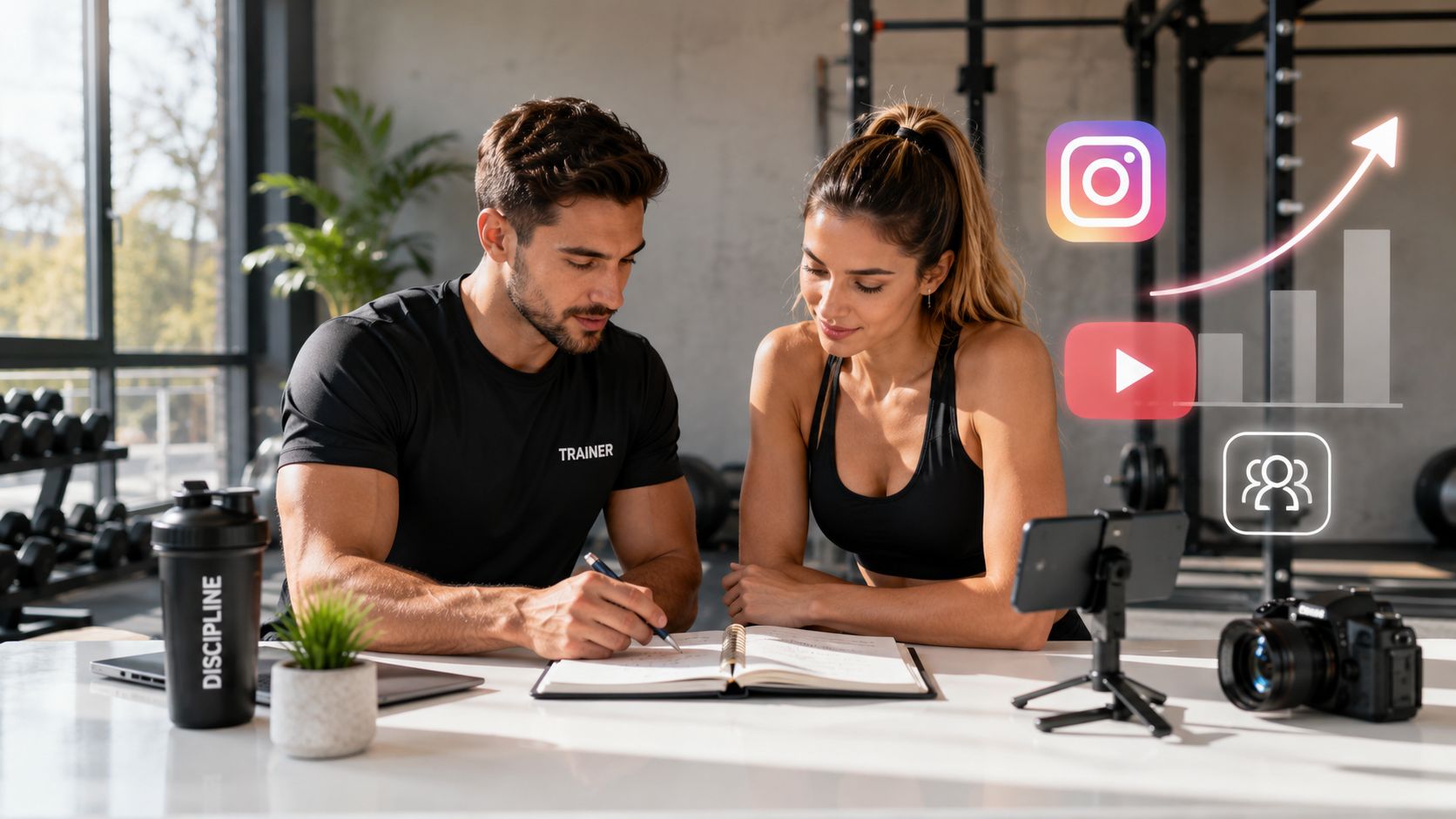
You open Instagram between clients and see it again. A local creator with a solid fitness following is talking about another coach's challenge, meal guide, or online program. You're not imagining it. Trainers are getting clients through creators in your market, and a lot of them are doing it with simple deals, not giant brand budgets.
The reason it keeps showing up is straightforward. Influencer marketing stopped being a side tactic years ago. It became a real budget line. If you run a solo coaching business, that matters because you don't need to become an influencer yourself. You need a practical system for borrowing trust from people who already have the audience you want.
Table of Contents
Why You Are Seeing Influencers Everywhere
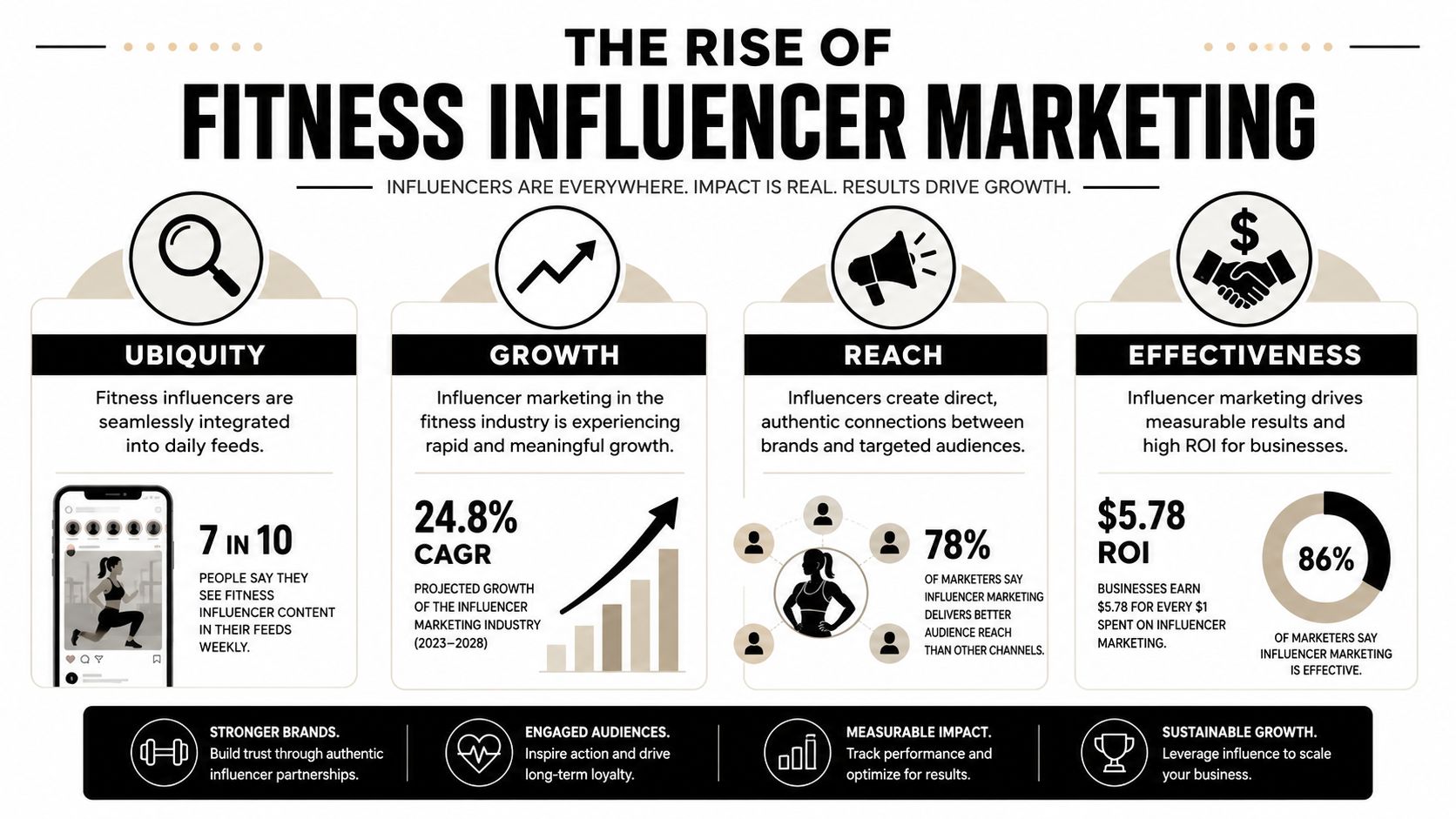
A few years ago, most trainers treated fitness influencer marketing like something for supplement brands and apparel companies. That's not the market anymore. The global influencer marketing industry grew from $1.7 billion in 2016 to a projected $32.6 billion in 2025, and the fitness-specific segment was expected to reach $1.7 billion by 2025, according to Sprout Social's influencer marketing statistics roundup.
That shift shows up in your local market in a very ordinary way. A creator posts their workout, tags a coach, mentions a challenge, and suddenly that coach is in front of a warm audience that already cares about training, body composition, running, postpartum fitness, or strength. It doesn't look like a media buy, but that's what it is.
For solo trainers, this is useful because it creates a middle ground between word of mouth and paid ads. You're not waiting passively for referrals, and you're not dumping money into broad targeting. You're placing your offer in front of people who already trust the messenger.
Practical rule: Don't think of influencers as celebrities. Think of them as local distribution with trust attached.
This works especially well when your service has a clear identity. Fat loss for busy parents. Strength coaching for women who hate commercial gyms. Hybrid coaching for runners who need structure. If you're still broad, the creator partnership won't fix that. It just amplifies the confusion faster.
That's also why home-based and remote offers fit this channel so well. If your coaching can start online, your radius gets wider than your postcode. A trainer who already coaches clients remotely through a strong personal training at home model has more room to turn creator attention into actual sign-ups.
Define the Mission Before You Reach Out
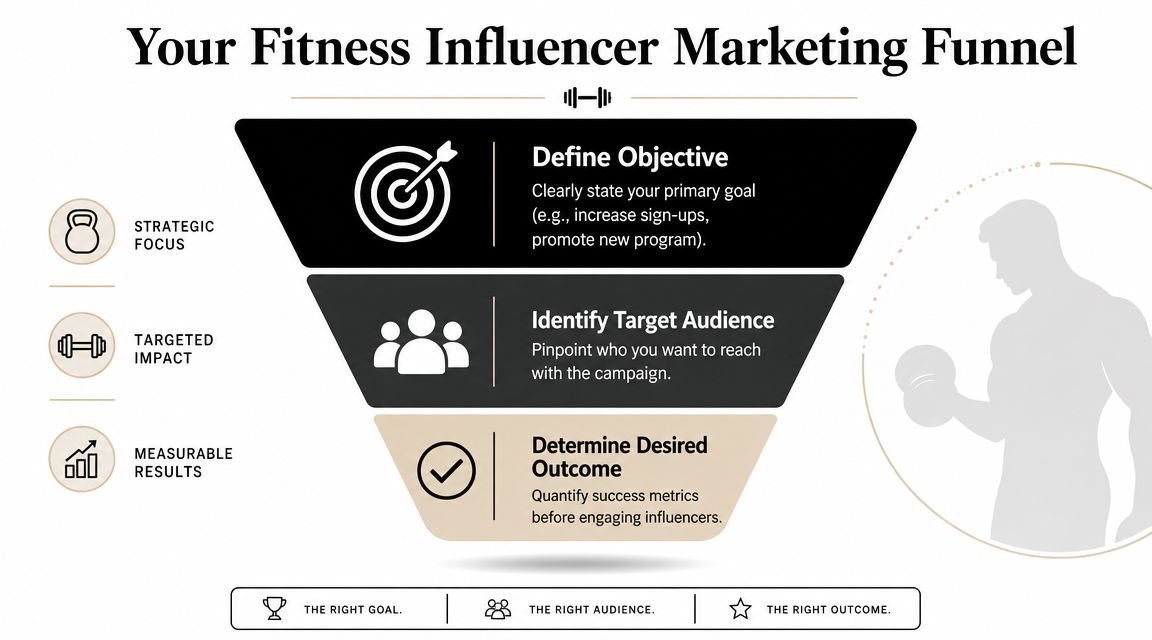
Most bad influencer campaigns fail before the first DM. The trainer wants “more exposure,” the creator asks what the goal is, and the whole thing gets vague fast. If you're budget-conscious, vague is expensive.
Research summarized by IQFluence says companies generate an average of $5.78 in revenue for every $1 invested in influencer campaigns. The same summary also says half of followers have made a purchase based on an influencer recommendation. You can read those figures in IQFluence's influencer marketing statistics roundup. The key phrase there is not influencer. It's well-targeted.
Pick one primary outcome
Choose one result for the campaign. Not three.
A trainer usually wants one of these:
Client acquisition for online coaching, semi-private, or a short challenge
Local awareness for a new class, studio block, or specialty service
Content creation you can reuse on your own social channels and site
Lead generation for intro calls, trial weeks, or consultation forms
If you try to make one creator partnership do everything, it usually does nothing well. A lead-gen campaign uses a different message than a pure brand-awareness play.
Define the exact client you want
A lot of outreach falls apart because the coach has never written down who the campaign is for.
Keep it brutally simple:
Problem: What pain is this person trying to solve right now?
Identity: What kind of person do they see themselves as, or want to become?
Buying trigger: Why would they act this month instead of six months from now?
Delivery fit: Can your current coaching model serve them well?
If your target client is a busy professional who wants structure and accountability, don't partner with a creator whose content is built around extreme cutting phases or bodybuilding memes. Attention isn't the same as fit.
The right audience mismatch can still fail. The wrong audience match almost always fails.
Set a real budget, even if it starts at zero
Solo trainers get into trouble when they pretend they have a brand budget. You don't need one to start. You do need a ceiling.
A simple budget can include:
Cash fee if the creator requires one
Free coaching for a trial period
Commission payout on closed sales
Admin costs like a landing page, form setup, or intake system
If money is tight, start with one creator and one offer. Don't run three half-funded tests at once.
Before you contact anyone, make sure your basics are ready. Your sales page, intake form, booking flow, and offer explanation should already exist. If they don't, clean that up first. Here, a polished website for a personal trainer matters more than a clever DM ever will.
How to Find and Vet the Right Influencers
A solo trainer can waste a month on the wrong creator without realizing it. The post looks good, likes come in, a few people reply with fire emojis, and no one books. The usual cause is not bad creative. It is bad fit.
The best influencer for your offer is rarely the biggest account in your city. It is the person whose followers already trust their advice, live close enough to buy, and behave like people who pay for coaching.
An academic review on social media fitness influencers and behavior found that trustworthiness and expertise were closely tied to purchase intention. For trainers, that matters more than raw reach. People buy coaching from sources they believe.
Start with local creators who already influence buying decisions
For a solo trainer on a tight budget, local creators beat broad fitness pages almost every time. A neighborhood audience can book. A national audience usually just watches.
Build your first list from four places:
Location tags for your city, suburb, and nearby gyms, parks, studios, and coffee spots
Niche hashtags tied to your specialty, such as postpartum training, fat loss for busy parents, strength for runners, or over-40 fitness
Follower overlap from local physios, massage clinics, healthy meal services, run clubs, and boutique studios
Story mentions and reposts from people who consistently talk about training, routines, races, recovery, meals, or gym habits
A lot of strong partners do not even label themselves as influencers. They might be the organizer of a women's run club, a Pilates instructor with a loyal local audience, a mom creator who documents realistic strength training, or a food-focused creator whose audience already spends money on health. If you want a reference point for what specific, trust-based positioning looks like, study how established nutrition coaches with clear audience niches present their message.
Use a shortlisting rule that keeps you disciplined. If the creator's audience cannot realistically become clients in your current model, leave them off the list.
After you have 10 to 15 names, review their content closely. This clip is a useful reminder that creator fit often matters more than size.
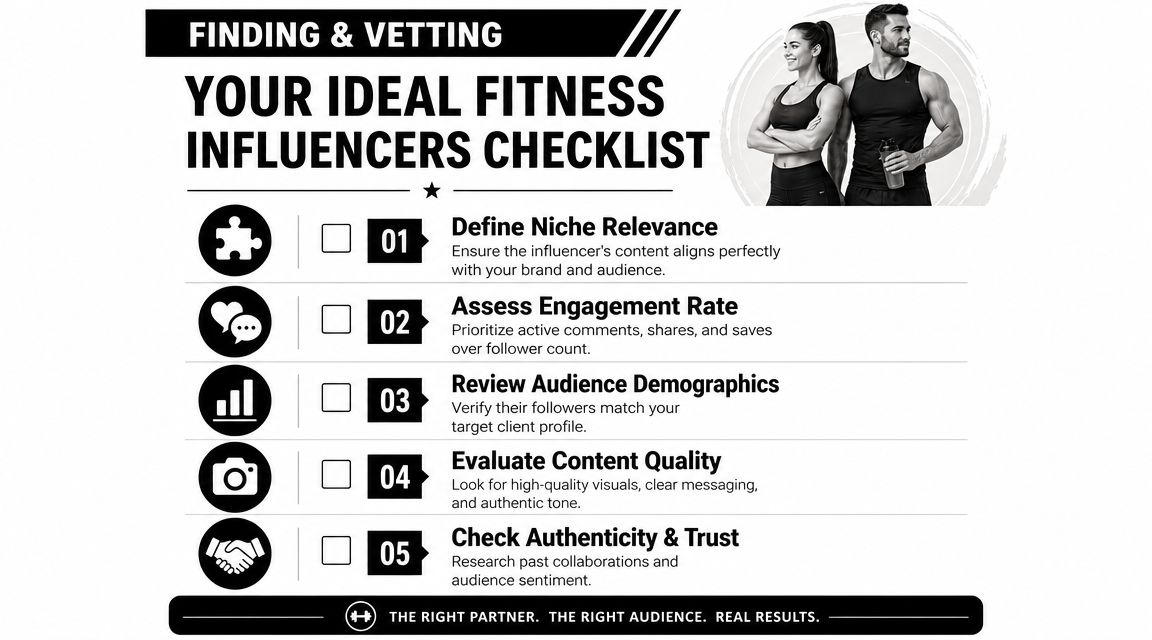
Vet for buying influence, not vanity metrics
Follower count is a weak screening tool. I would rather test a creator with a smaller, active local audience than pay for broad reach that never turns into consult calls.
Check the account like a coach, not like a fan.
Comment quality: Are followers asking real questions about workouts, food, habits, pain points, or results?
Reply behavior: Does the creator answer clearly and respectfully, or just drop emojis and disappear?
Audience location: Do comments and tags suggest the audience is located in your area or in a market you can serve?
Content pattern: Is there a clear theme, or does the page jump between lifting clips, comedy, affiliate links, and random lifestyle posts?
Teaching ability: Can they explain basic fitness ideas in plain language?
Partnership load: If every few posts are sponsored, their audience may tune out paid recommendations
Then check for red flags that usually kill return on spend:
Inflated engagement: lots of likes, thin comments, no conversation
Audience mismatch: the creator is credible, but their followers are not your buyer
Credibility problems: repeated pushback in comments about bad advice, fake claims, or inconsistent behavior
No useful authority: they look fit, but cannot explain training, recovery, nutrition, or habit change in a way normal people can use
A simple test helps here. Read the last 12 posts and ask one question. Would this person make your ideal client more likely to trust your coaching offer? If the answer is unclear, keep looking.
Use a practical scorecard before you contact anyone
Gut feel is how coaches end up picking the most charismatic account instead of the best partner. A one-page scorecard fixes that.
Rate each creator from 1 to 5 on these five points:
Audience fit
Local relevance
Trust in the comments
Ability to explain fitness clearly
Partnership practicality
That last point matters more than people expect. A creator can be perfect on paper and still be a poor test partner if they miss messages, post inconsistently, or have no interest in tracking results.
Keep one note beside each score. For example: “Strong local mom audience, high trust, but audience skews beginner and my current offer is semi-private strength coaching for intermediate lifters.” That note is often more useful than the number.
If two creators score similarly, choose the one with the clearer path to a first campaign. Easy communication and a relevant audience usually beat a larger account with more uncertainty.
The goal here is not to find the most famous person in your area. The goal is to find the cheapest reliable path to qualified leads.
Structuring the Pitch and the Deal
A bad pitch usually dies for one of two reasons. It reads like a mass DM, or it asks the creator to figure out the campaign for you.
Good outreach is specific, short, and easy to answer. The creator should be able to tell who you help, what you want promoted, and what happens next without reading a wall of text.
Write a pitch that gets a reply
Keep the first message focused on fit and the offer. Save the long backstory for the call.
Use this template:
Hi [Name], I'm a [your niche] coach in [location], and I help [type of client] get [specific result].
I've been watching your posts on [topic], especially [specific post or theme]. Your audience looks like a strong fit for a [specific offer], especially because you already talk about [relevant pain point or goal].
I'd like to run a small test partnership. The idea is [one sentence offer summary]. I can send a simple outline with deliverables, timing, and a tracked link or code so we can measure results clearly.
If you're open to it, I'll send the details.
That format works because it answers the practical questions first. Why you. Why them. What the audience gets.
One mistake I see often is coaches pitching “exposure,” “content,” or a vague collaboration. That creates extra work for the creator and usually leads to weak posts. Sell a clear offer instead: a 6-week kickstart, a paid consultation, a small-group trial, or a local transformation challenge.
Pick a deal structure you can afford to test
Solo trainers do not need influencer deals built for supplement brands. Start with terms you can survive even if the first campaign underperforms.
Here's the simple version:
Deal Type | Best For | Pros | Cons |
|---|---|---|---|
Free coaching exchange | First campaign with a micro-creator you trust | Low cash risk, easy first test, creator can speak from real experience | Can attract people who want free training but will not promote with much effort |
Affiliate or commission deal | Trainers with a clear offer and consistent sales process | Low upfront cost, performance-based, easier to repeat if it works | Some creators want guaranteed pay, and poor tracking causes disputes |
Small flat fee | Trainers who want fixed deliverables and faster commitment | Clear cost, clear scope, easier to approve quickly | You carry the risk if the offer is weak or the audience does not convert |
Hybrid deal | Trainers who want buy-in from both sides | Small upfront payment plus incentive to keep promoting | More admin, more negotiation, more room for confusion if terms are sloppy |
If you want a stronger reference point before you negotiate percentages or referral terms, review a simple fitness affiliate program structure and adapt it to your margins.
Budget matters here. A solo trainer with a $297 starter package should not offer the same terms as a studio selling high-ticket memberships. I usually suggest one rule. Keep your first test small enough that you can lose the money, learn from it, and run a better second campaign.
Set the deal in writing before anything goes live
Casual verbal agreements create expensive confusion.
Use a plain-language agreement or even a clear email thread, but get the details confirmed before the creator posts anything. That includes:
Deliverables: Exact number of reels, stories, posts, or live mentions
Posting window: Dates and deadlines
Offer: What they are promoting, price, and who it is for
Call to action: Link, code, application form, or DM keyword
Compensation: Flat fee, commission, hybrid terms, and payment timing
Content usage rights: Whether you can repost the content on your own channels
Disclosure: Sponsored labeling where required
Approval process: Whether you review content before posting or only approve key talking points
Do not write a script line by line unless compliance requires it. Creator content performs better when it still sounds like the creator. Your job is to control the offer, the claims, and the call to action.
A useful brief is usually enough:
Who this offer is for
What problem it solves
What makes it different from generic workout plans
What action people should take now
What claims to avoid
That last point protects you. If you coach fat loss, strength, rehab-adjacent clients, or nutrition habits, be clear about what the creator cannot promise on your behalf.
Price the test based on expected client value
Solo trainers waste money when they agree to a fee because it “sounds reasonable” without doing the math.
Start with your numbers:
Average revenue from a new client
Close rate from qualified leads
Maximum amount you can spend to acquire one client and still profit
Then work backward. If one new client is worth $600 to you over 8 weeks, paying $300 for a test may be fine. Paying $800 for one reel usually is not unless your backend offer is much stronger.
For first campaigns, small local creators often work best with one of these models:
Gifted service only: Good for a low-risk trial
$100 to $300 plus upside: Common for micro-creators with decent local trust
Commission only: Better after they understand the offer and trust your fulfillment
Tiered bonus: Example, flat fee for content, plus bonus after a set number of booked consults or paid sign-ups
The trade-off is simple. Lower fixed cost protects your cash. Higher fixed cost usually gets faster buy-in and more predictable deliverables.
Watch for deal-killers before you pay
A creator does not need a media kit to be useful. They do need to communicate clearly and follow simple instructions.
Pause the deal if they:
avoid discussing tracking
want broad promises without defined deliverables
push for a large upfront payment on a first test
refuse any disclosure language
miss messages for days during the negotiation
keep changing what they are willing to post
Reliable creators make local campaigns easier to repeat. Unreliable ones turn one promotion into a week of follow-up, guesswork, and awkward cleanup.
The best deals are boring on paper. Clear offer. Clear deliverables. Clear pay. Clear tracking. That is usually what produces the cheapest path to new clients.
Tracking Your Campaign and Managing New Leads
If you can't tell where sign-ups came from, you didn't run a campaign. You bought content and hoped for the best.

Track the source before you post anything
Set up one tracking method per creator. Keep it simple enough that you'll use it.
The easiest options are:
Unique discount code: Good for a paid challenge, starter package, or fixed offer
Custom landing page link: Better if you want context-specific copy for that creator's audience
Application form field: Ask “How did you hear about us?” and prefill where possible
DM keyword: Useful for low-friction interest, but make sure you log it immediately
Don't rely on memory. If three leads message you in the same week, you'll start guessing.
A clean setup looks like this:
Creator gets their own link or code
Landing page matches the exact offer mentioned in content
Form captures the lead source automatically or with one required field
You follow up with the same message flow every time
Handle inbound leads like a business
A lot of coaches lose warm leads because their process lives across Instagram DMs, Notes app scraps, and a spreadsheet they forget to update. That's fine at three leads a month. It breaks fast when a creator sends a real wave of attention.
Your intake process should do three things well:
Tag the source so you know which creator sent the lead
Move the lead quickly into a call, trial, or application review
Centralize communication so nothing gets lost
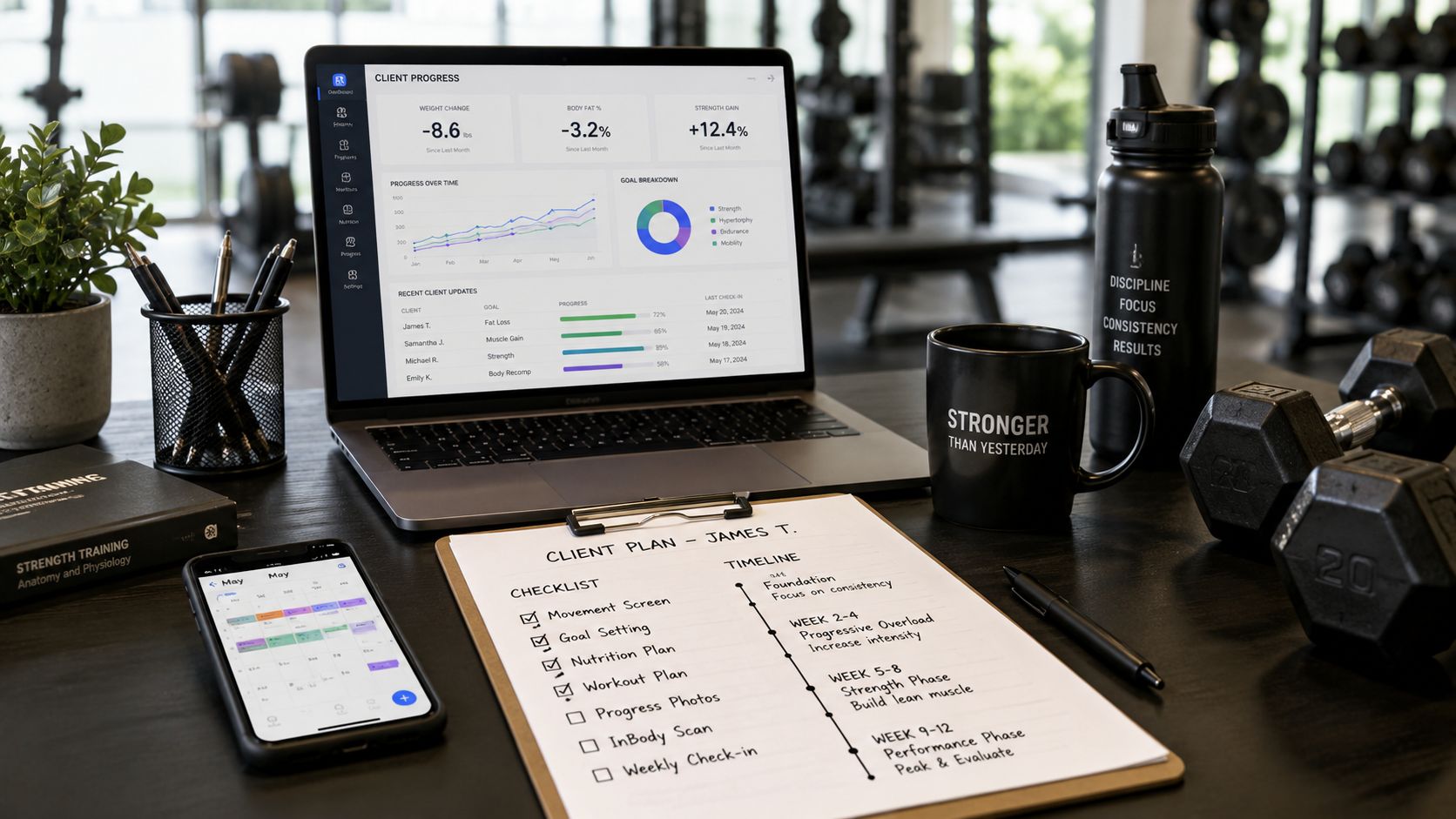
Having proper systems matters more than clever marketing. If you're patching together tools that keep getting more expensive, feel buggy, or ignore feedback, every campaign becomes harder to manage than it should be. A more reliable client onboarding system for fitness coaches keeps the handoff clean when attention turns into actual inquiries.
Review the campaign with clear questions
Don't judge the campaign on likes. Judge it on business outcomes and useful signals.
Ask:
Did this creator send the right kind of lead?
Did people understand the offer from the content alone?
Did the landing page match the promise in the post?
Did inquiries book calls, or just ask casual questions and disappear?
Would I run this exact partnership again?
If the campaign underperformed, identify the failure point. It's usually one of four things. Wrong creator, weak offer, poor call to action, or messy follow-up.
A decent creator can't save a confusing offer. A strong offer can still fail if the follow-up is sloppy.
Keep your review notes short and blunt. One page is enough. The point is to make the next collaboration smarter, not to write a report no one uses.
Frequently Asked Questions About Influencer Marketing
Do I need a contract for a small collab
Yes. Keep it simple, but get it in writing.
At minimum, include deliverables, posting timeline, compensation, approval process if any, disclosure expectations, cancellation terms, and whether you can repost the content. Even if the deal is a coaching exchange, document it. Most problems in fitness influencer marketing come from mismatched assumptions, not bad intent.
What if an influencer sends a rate card I can't afford
Don't force the deal. Rework the structure.
You can ask for a smaller package, suggest a trial campaign, or propose a hybrid where there's a modest upfront payment plus commission on conversions. If they only want a fee that doesn't make sense for your margins, thank them and move on. A creator isn't overpriced just because you can't use their rate profitably. They may still be the wrong fit for your business.
What if the campaign flops
Treat it like feedback, not proof that creator marketing doesn't work.
Check the basics first. Was the audience right? Was the offer specific? Did the content sound natural? Was the call to action clear? Did you follow up quickly? Most failed campaigns come from one weak link, not from the whole channel being useless.
If you only change one thing on the next attempt, change the offer or the creator. Those two variables tend to matter most.
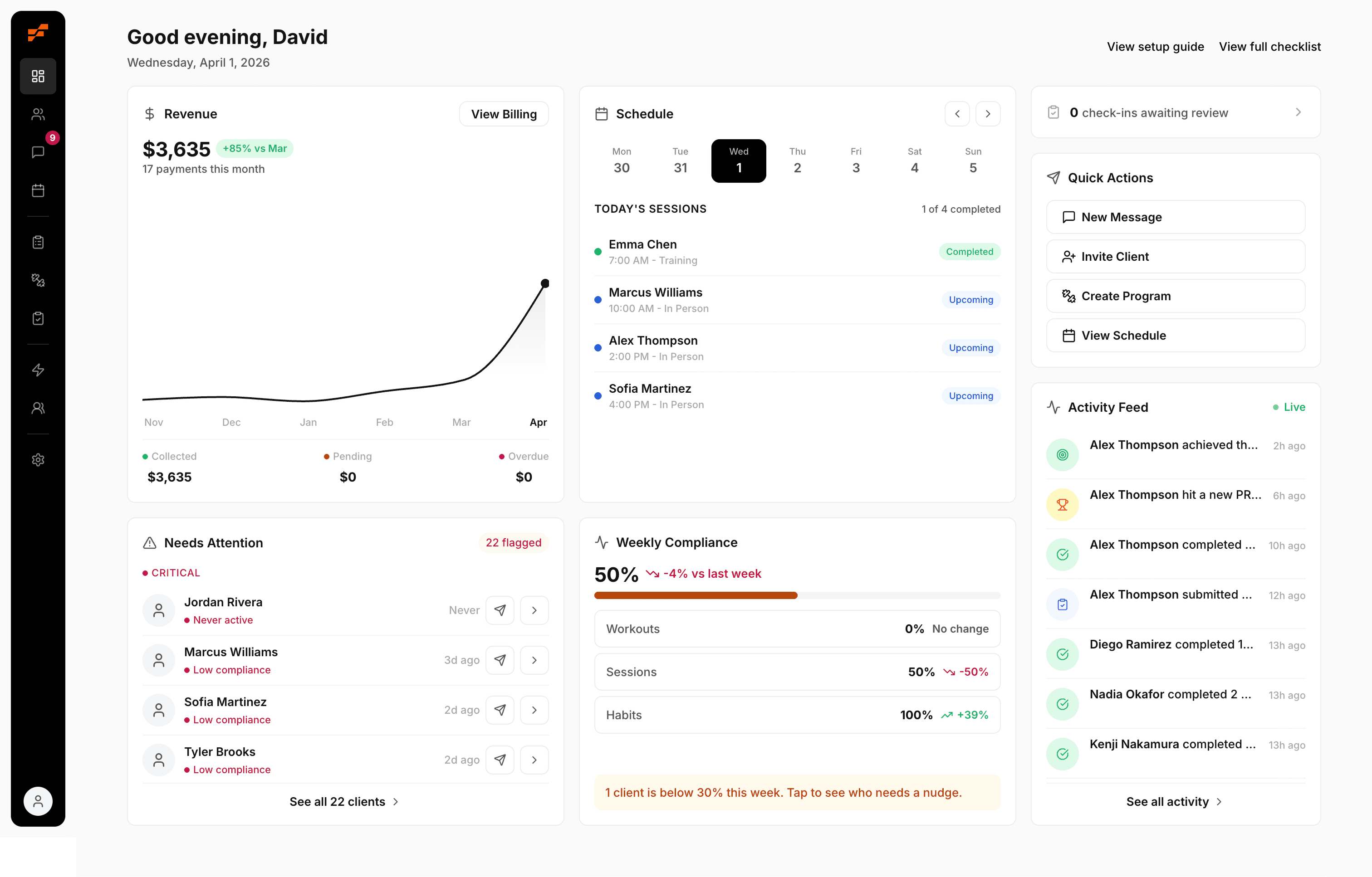
If you're ready to run creator partnerships without losing leads in DMs, spreadsheets, and disconnected tools, FitCentral gives you a cleaner way to manage intake, client onboarding, scheduling, messaging, payments, and ongoing coaching in one reliable system. It was co-founded by David Spitdowski, a practicing personal trainer, so the workflows reflect how coaches operate when new leads come in fast. Your next step is simple. Set up one offer, choose one creator, and make sure your backend is ready before the first post goes live.
See also

Ready to stop fighting your software?
FitCentral gives you everything you need to manage clients, deliver results, and grow your business. Sign up today.