Education Required for Personal Trainer: 2026 Guide
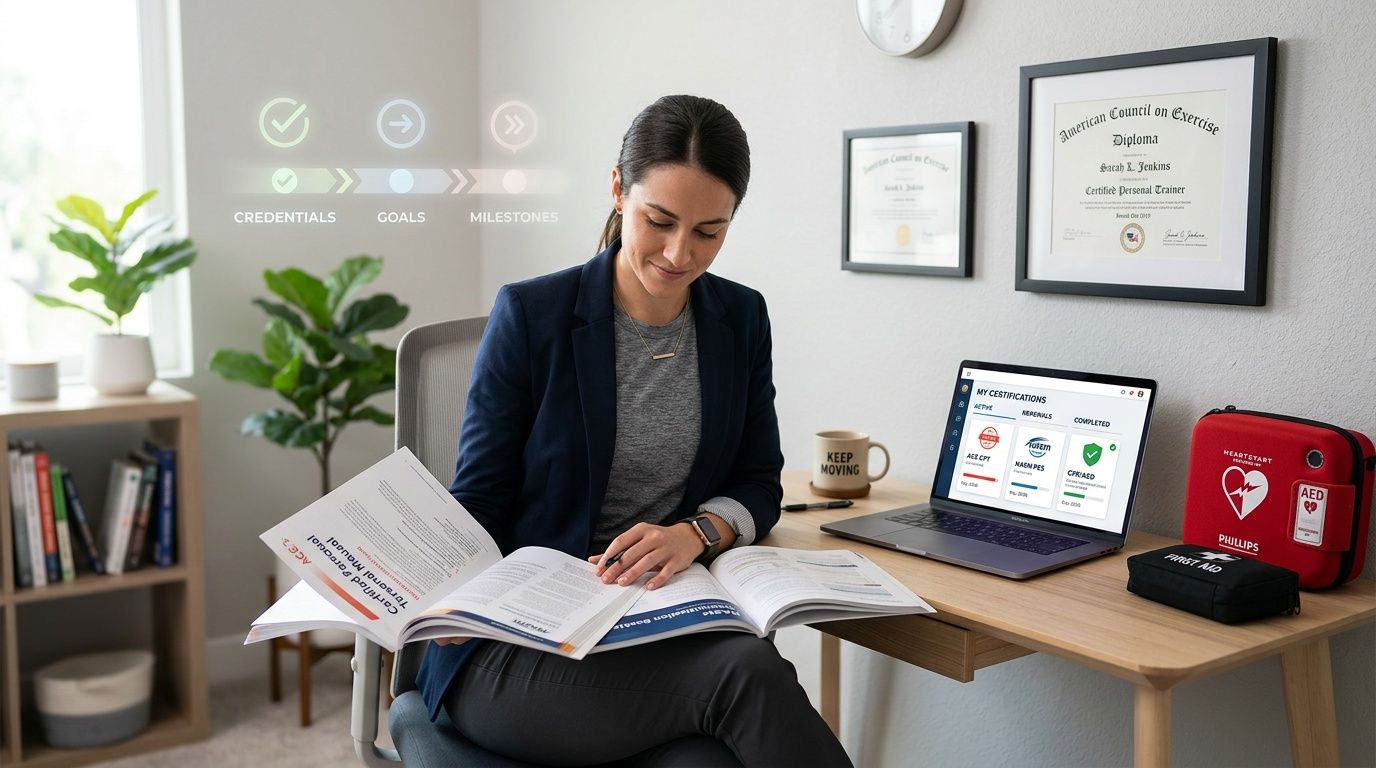
The baseline education required for personal trainer work is usually a high school diploma or equivalent plus a recognized certification, not a college degree. But if you're trying to build a profitable roster instead of just getting your foot in the door, the more important question isn't what gets you in, it's what education helps you attract better clients, keep them longer, and earn more.
A lot of coaches hit the same moment. You see another trainer add three new letters after their name, or a prospect asks where you studied, and suddenly you're wondering if your current setup is enough. Usually, the panic is misplaced. The minimum requirement and the education that builds a strong business are not the same thing.
If you're a solo coach, every education decision is a business decision. Your first cert affects whether clients trust you. Your specializations affect who hires you. Your ongoing education affects whether your programming gets sharper or stays stuck at "good enough." That's the key filter to apply.
Table of Contents
The Real Score on Personal Trainer Education
What counts as required
What actually moves your business forward
Choosing Your Primary Certification Path
Use three filters before you buy
What works and what doesn't
The business angle most coaches miss
Is a College Degree Worth the Investment for a Coach
When a degree makes sense
When a degree probably isn't the best next move
Degree vs. Certification The Strategic Trade-Offs
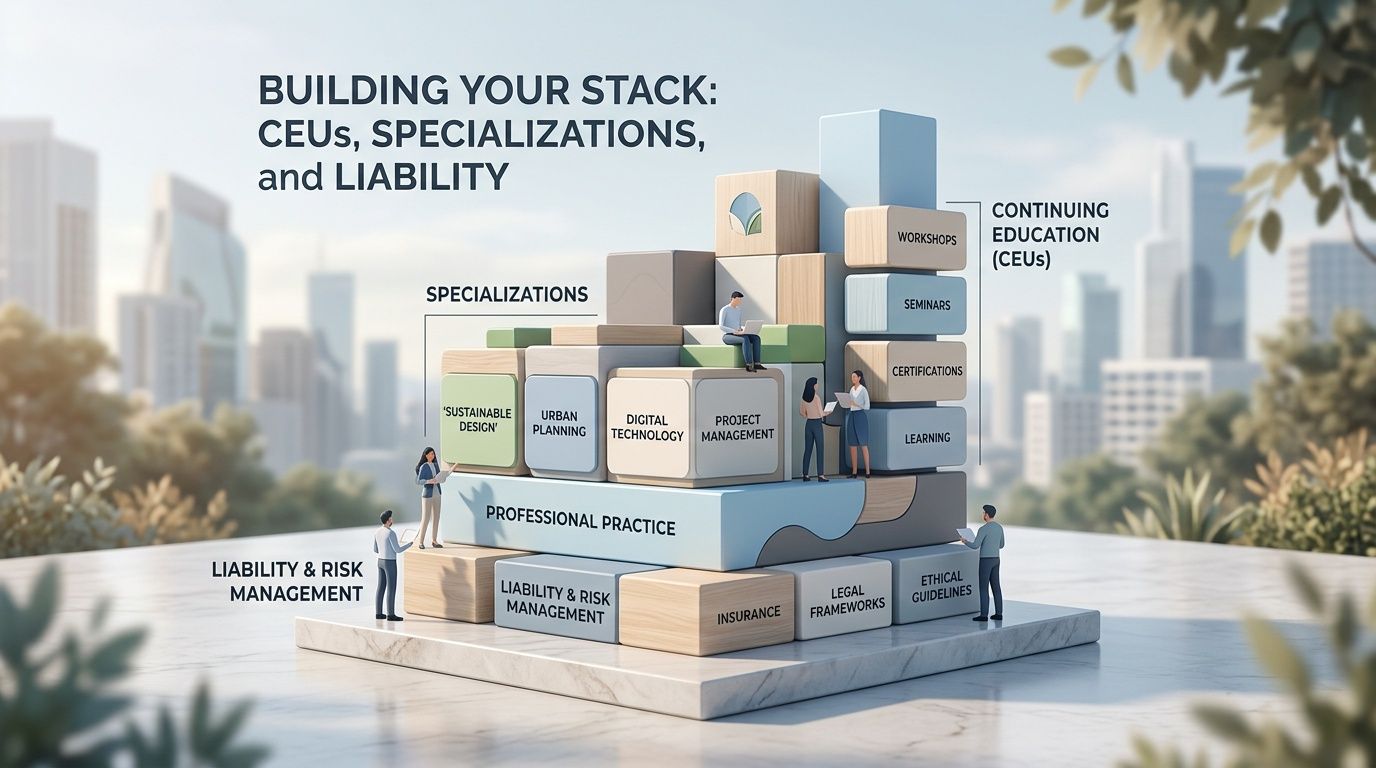
Building Your Stack CEUs Specializations and Liability
Choose CEUs based on client problems
Scope of practice is part of your education
Liability isn't optional
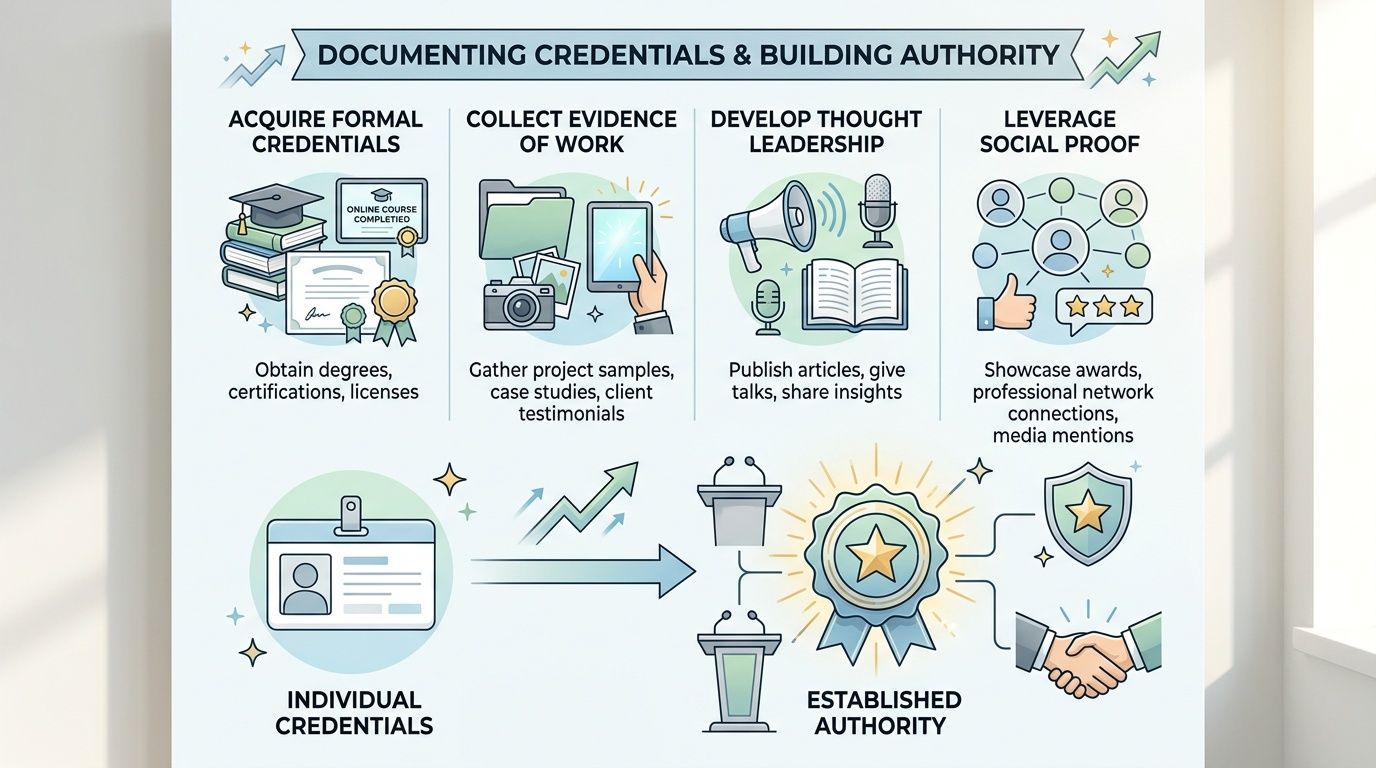
How to Document Credentials and Build Authority
Put your credentials in client-facing places
Show authority through process, not just labels
A simple documentation system
Your Next Move An Actionable Plan
The Real Score on Personal Trainer Education
Most coaches don't need more motivation. They need a cleaner definition of what's required, what's recommended, and what's just noise.
The floor is straightforward. The Bureau of Labor Statistics says fitness trainers and instructors typically need a high school diploma or equivalent to enter the field, and it also notes that employers prefer candidates with certification and that many trainers receive short-term on-the-job training, which makes the practical starting line a diploma, certification, and safety prep, not formal schooling alone, according to the BLS fitness trainer occupation overview.
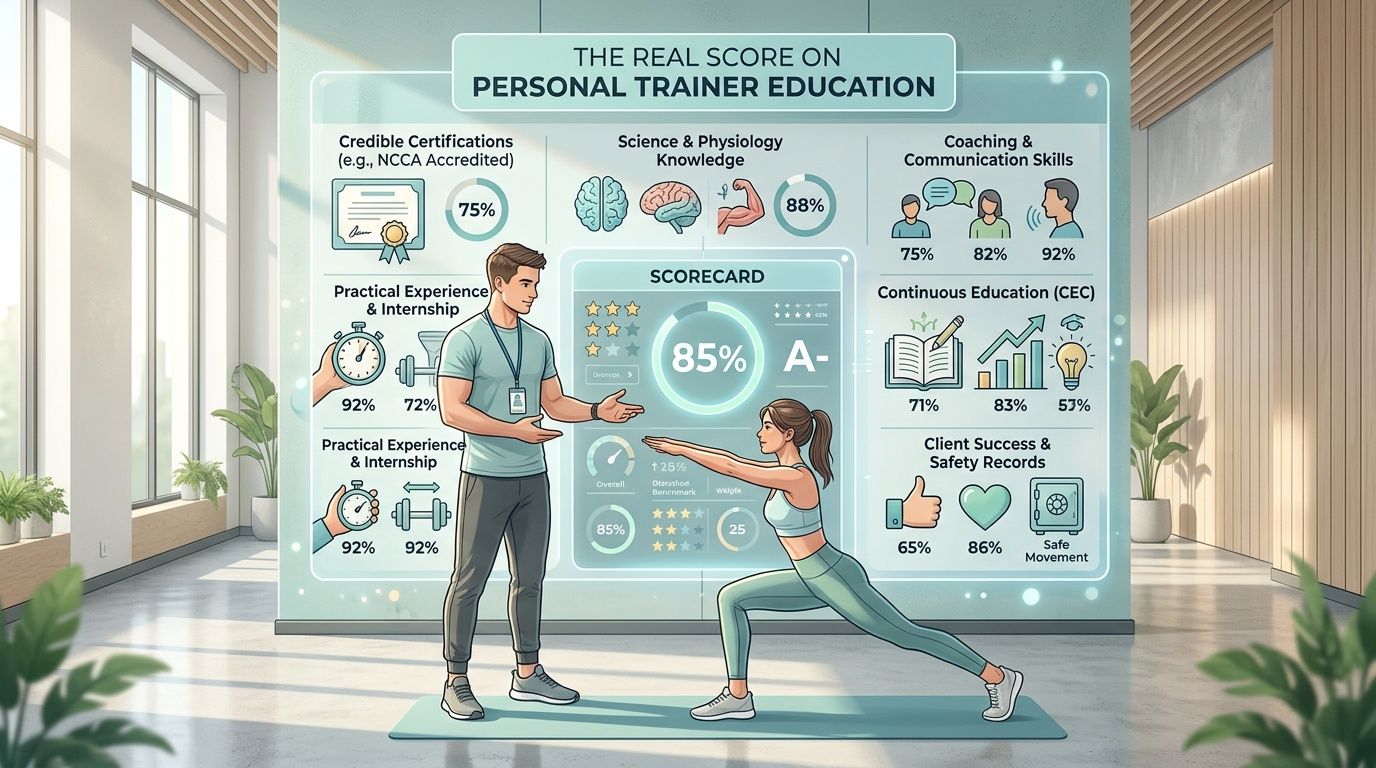
That matters because coaches often confuse accessibility with professionalism. Entry into the field is accessible. Staying in the field and building a respected business is harder.
What counts as required
For most independent trainers, the essential requirements are simple:
Basic education: High school diploma or equivalent
Recognized certification: The market's main proof that you can coach safely
CPR/AED readiness: Part of being taken seriously as a professional
Practical coaching skill: Assessments, exercise selection, communication, and judgment under real client conditions
If you need a clean breakdown of the minimums before choosing your next move, this guide on personal trainer requirements is a useful reference point.
Practical rule: Treat minimum requirements as your license to start, not your argument for premium pricing.
What actually moves your business forward
Clients don't pay more because you met the minimum. They pay more when your education shows up in outcomes they can feel. Better intake. Better exercise regressions. Smarter progression. Fewer random program changes. More confidence when they ask why they're doing something.
That's where the split happens.
Some coaches stop at "certified" and wonder why their roster stalls. Others use education strategically. They pick credentials that support a target market, like fat loss, post-rehab, strength training, or behavior change. Those coaches usually present more clearly, coach with more conviction, and create a stronger referral loop.
Here's the score. Required education gets you eligible. Strategic education gets you chosen.
Choosing Your Primary Certification Path
Your primary cert is the first education decision that has direct sales value. Prospects won't inspect your textbook notes, but they will notice whether your credential is recognizable, whether you explain training clearly, and whether your assessment process feels competent.
Leading certification bodies like NASM and ISSA require candidates to be at least 18 and hold a high school diploma or equivalent, which is part of why certification has become the market's benchmark for competence, as outlined in NASM's guide to becoming a personal trainer.
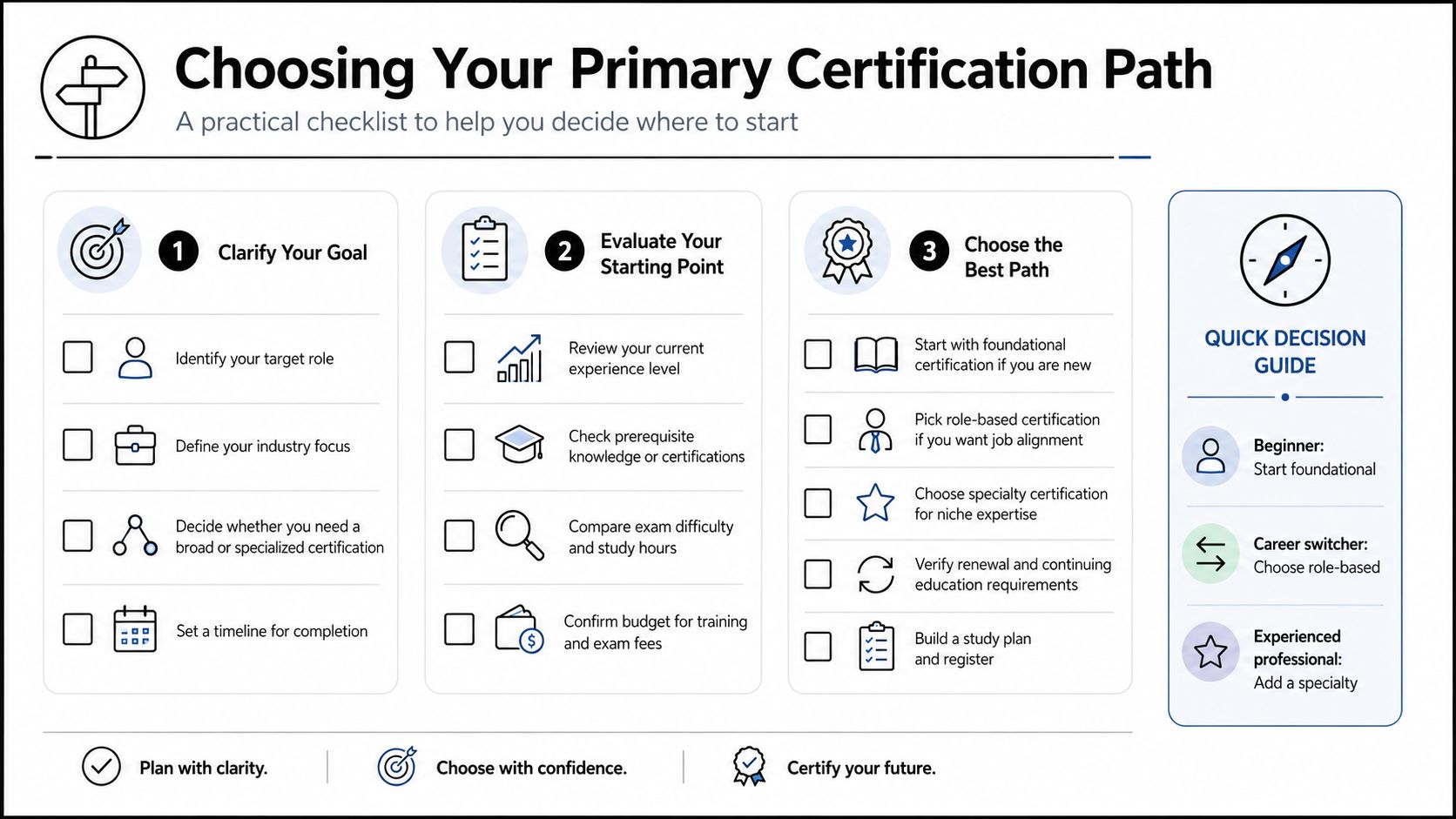
Use three filters before you buy
Don't choose your cert based on whichever ad follows you around online. Use filters that affect your actual business.
Recognition
Pick a certification employers, referral partners, and clients are likely to recognize. If you have to explain your cert before you explain your coaching, you've added friction.
Curriculum fit
Some certifications lean more heavily into corrective thinking, some into general population programming, some into performance or science-heavy frameworks. The best choice is the one that supports the clients you want more of.
Renewal reality
Look at continuing education requirements, renewal expectations, and whether you'll realistically keep that certification active. A credential you let lapse doesn't help your positioning.
A practical next read is this breakdown of how to get a certification in personal training, especially if you're comparing pathways and trying not to waste money on the wrong first move.
What works and what doesn't
What works:
Choosing one solid primary cert and learning it thoroughly
Matching the cert to your client base, not your ego
Using the study process to sharpen coaching fundamentals, not just pass the exam
Planning your next education step before renewal sneaks up on you
What doesn't:
Collecting random certifications with no connection to your offer
Buying the cheapest option first and then replacing it later
Using letters after your name as a substitute for clear coaching
Thinking the cert itself closes sales
A certification should make your coaching more precise. If it only gives you a badge for Instagram, it wasn't a good investment.
The business angle most coaches miss
Your primary certification shapes how you speak to clients. It influences your assessment process, your confidence on consults, and how you justify your programming decisions. That means it affects close rate and retention, not just employability.
A weak cert choice can leave you with shallow fundamentals and shaky delivery. A strong one gives you structure you can use. When a client asks why you're adjusting volume, changing exercise order, or holding them at a certain RPE, you need more than vibes.
Is a College Degree Worth the Investment for a Coach
For most coaches, a college degree is optional. For some, it's a smart long-term play. The mistake is treating it like an automatic upgrade.
A peer-reviewed study of certified fitness professionals found that 96.2% had some kind of college degree, with 46.1% holding a bachelor's degree, and the same source notes that nutrition certification was associated with significantly better nutrition knowledge scores, while the BLS notes trainers pursuing management roles may need a bachelor's in a related field, according to this peer-reviewed study on fitness professionals and education.
That tells you two things. First, degrees are common among serious professionals. Second, they still aren't the mandatory entry point for a coach building an independent roster.
When a degree makes sense
A bachelor's can be worth it if you want one of these paths:
Management roles in larger facilities or organizations
Clinical-adjacent work where deeper science fluency matters
Stronger interdisciplinary credibility with physical therapists, dietitians, or medical professionals
A long career arc where formal education opens more doors later
If you're weighing broader career options beyond your current roster, the resource on building a personal training career from home or independently can help frame the business side of that decision.
When a degree probably isn't the best next move
If you're a solo trainer with limited money and immediate business needs, a degree may not be the highest-return move right now.
You might get more value from:
a respected primary certification
one useful specialization
stronger sales consultations
better client systems
cleaner programming and progress tracking
A degree can deepen your foundation. It can also delay income if you need practical business traction now.
Degree vs. Certification The Strategic Trade-Offs
Factor | Certification (e.g., NASM, ACE) | Bachelor's Degree (e.g., B.S. Kinesiology) |
|---|---|---|
Primary role | Gets you market-ready faster | Builds deeper academic foundation |
Entry into coaching | Common first step | Usually not required to start |
Client-facing credibility | Strong if recognized and active | Strong, especially with complex clients |
Speed to application | Faster to use in sessions and consults | Slower, broader payoff |
Business ROI for a solo coach | Often better early | Often better if aligned with long-term path |
Best fit | Coaches needing to start, sell, and coach now | Coaches targeting management, advanced roles, or long-range positioning |
If you're coaching general population clients and trying to fill your calendar this quarter, a degree is rarely the first bottleneck. Messaging, sales, retention, and coaching consistency usually are.
The smart question isn't "Is college worth it?" It's "Is college the best next use of my time and money for the clients and career path I want?"
Building Your Stack CEUs Specializations and Liability
A lot of coaches stall after their first cert. They renew on autopilot, collect random CEUs, and call that growth. That's how you stay busy without getting sharper.
The better move is to build an education stack with intent. Your base cert gives you broad competence. Your continuing education should make you more useful to the people already paying you, or the people you want to attract next.
Choose CEUs based on client problems
Good CEUs solve real coaching bottlenecks.
If your clients struggle with adherence, study behavior change and communication. If your roster is aging up, learn more about training around limitations. If you're constantly getting nutrition questions, get educated enough to stay inside scope while giving better support.
Bad CEUs usually have one thing in common. They sound impressive but don't change what happens in your sessions.
Scope of practice is part of your education
Newer coaches often get sloppy at this stage. They assume education only means exercise science. It also means knowing what you should not do.
That includes:
Staying inside scope: Don't drift into diagnosing pain, treating injury, or acting like a licensed clinician
Using informed referrals: Know when to send a client to a physical therapist, physician, or registered dietitian
Writing clearly: Your notes, waivers, PAR-Q process, and client communication should reflect sound professional judgment
The more specialized your marketing becomes, the more important your scope discipline becomes.
Liability isn't optional
If you run your own roster, liability coverage belongs in the same category as CPR renewal. It's basic professional protection.
What matters most is the habit behind it:
Keep records current
Store waivers and health history cleanly
Document changes in limitations or restrictions
Record why you made major programming decisions
If your client management is spread across notes apps, texts, and old PDFs, you're making your business harder to defend and harder to run. This roundup of the best personal trainer app options is worth reviewing if your current system still feels patched together.
How to Document Credentials and Build Authority
Credentials only help if people can see them and if your process makes them believable. A certificate hidden in a downloads folder doesn't build trust.
Clients and employers expect trainers to be competent in designing programs, understanding physiology, applying effective methods, and keeping records, which is why your education has to show up in delivery and documentation, not just on paper, as described in Coursera's overview of certified personal trainer skills and prerequisites.
Put your credentials in client-facing places
You don't need to oversell your education. You do need to present it professionally.
Use these touchpoints:
Website bio: List your active certification, relevant specializations, and who you help
Consultation flow: Briefly explain how your education informs your assessment and programming
Intake forms: Ask questions that show clinical awareness without pretending to diagnose
Program delivery: Make your exercise notes, progressions, and check-ins look organized and intentional
If your brand materials still feel thrown together, these fitness trainer business card ideas and positioning tips can help tighten the way you present yourself.
Show authority through process, not just labels
Clients trust clear systems. They trust organized check-ins. They trust progress notes that connect to the plan. They trust trainers who can explain why block A became block B.
David Spitdowski, Co-Founder of FitCentral and a practicing personal trainer, built with that real-world standard in mind. He knows the difference between looking qualified and operating like a professional coach because he's had to do the work with actual clients, not just talk about it.
That principle matters even if you never mention software in a sales call. Your authority is visible in how you run the relationship.
A simple documentation system
Use one running system for every client:
Credential display
Keep your active certifications and relevant specialties updated across your website and onboarding materials.
Assessment notes
Document movement limitations, goals, training age, preferences, and red flags clearly.
Programming rationale
Note why you selected key lifts, regressions, progressions, and volume changes.
Outcome tracking
Tie the client's results back to the plan. Better adherence, better movement quality, stronger consistency.
Clean documentation does two jobs at once. It protects your business and it quietly proves your professionalism.
Your Next Move An Actionable Plan
Don't respond to this topic by signing up for three courses tonight. Audit first.
Use this checklist in the next 24 hours:
Check your baseline: Is your primary certification active, current, and still aligned with the clients you coach?
Review your positioning: Does your education match the offer you sell right now?
Spot the gap: What's the one area where better education would improve delivery fastest, programming, nutrition conversations, behavior change, consult confidence, or working with a specific population?
Clean your documentation: Make sure your credentials, CPR/AED status, and client records are easy to find and current.
Choose one next move: One cert, one specialization, or one operational fix. Not five.
The big idea is simple. The education required for personal trainer work gets you in the room. The education you choose after that shapes your income ceiling, your niche, and the kind of clients who trust you.
If you're early, get the fundamentals solid. If you're established, stop collecting credentials that don't support your business model. Buy education that makes you more coachable, more referable, and more useful.
This week, pick one decision: renew, specialize, pursue a degree, or tighten your documentation system. Then act on it before the next batch of saved posts and open browser tabs turns into another month of hesitation.
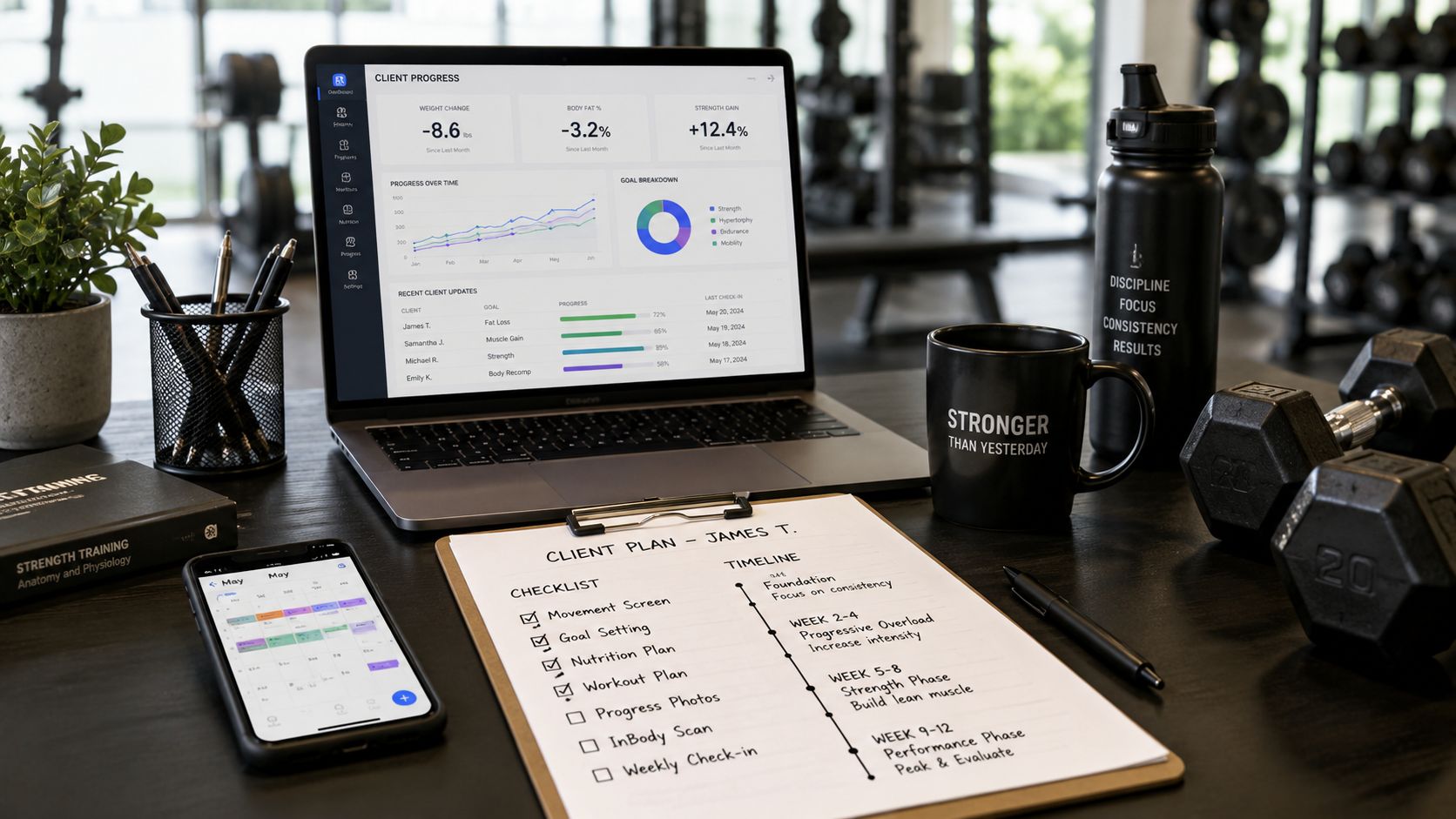
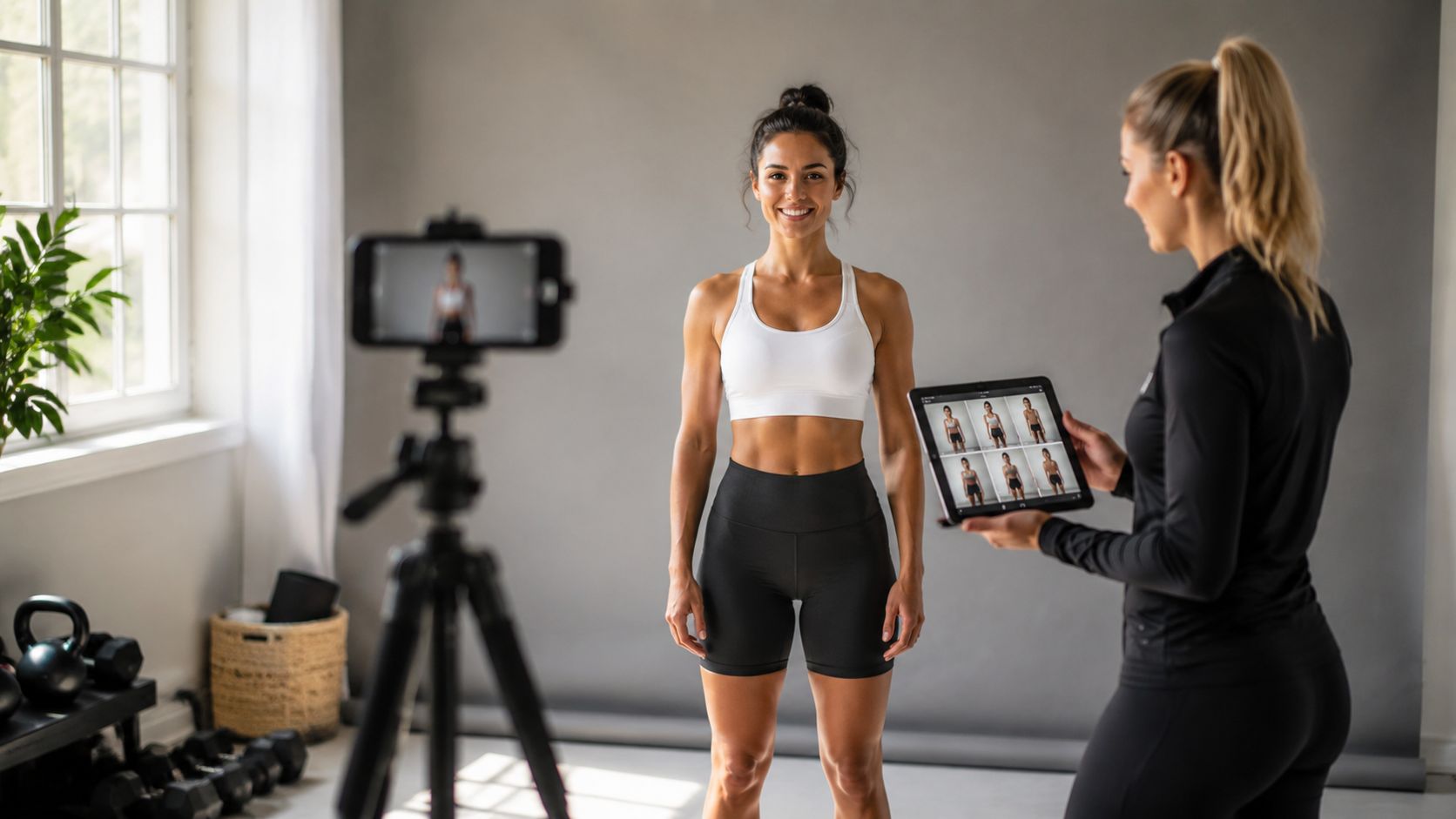
If your education is supposed to show up in the way you coach, track progress, message clients, schedule sessions, and run a clean business, your systems need to support that standard. FitCentral gives personal trainers one reliable place to manage programming, client notes, check-ins, scheduling, payments, and progress tracking, so your professionalism is visible in every part of the client experience.
See also

Ready to stop fighting your software?
FitCentral gives you everything you need to manage clients, deliver results, and grow your business. Sign up today.