10 Macro Friendly Food Staples for Client Plans
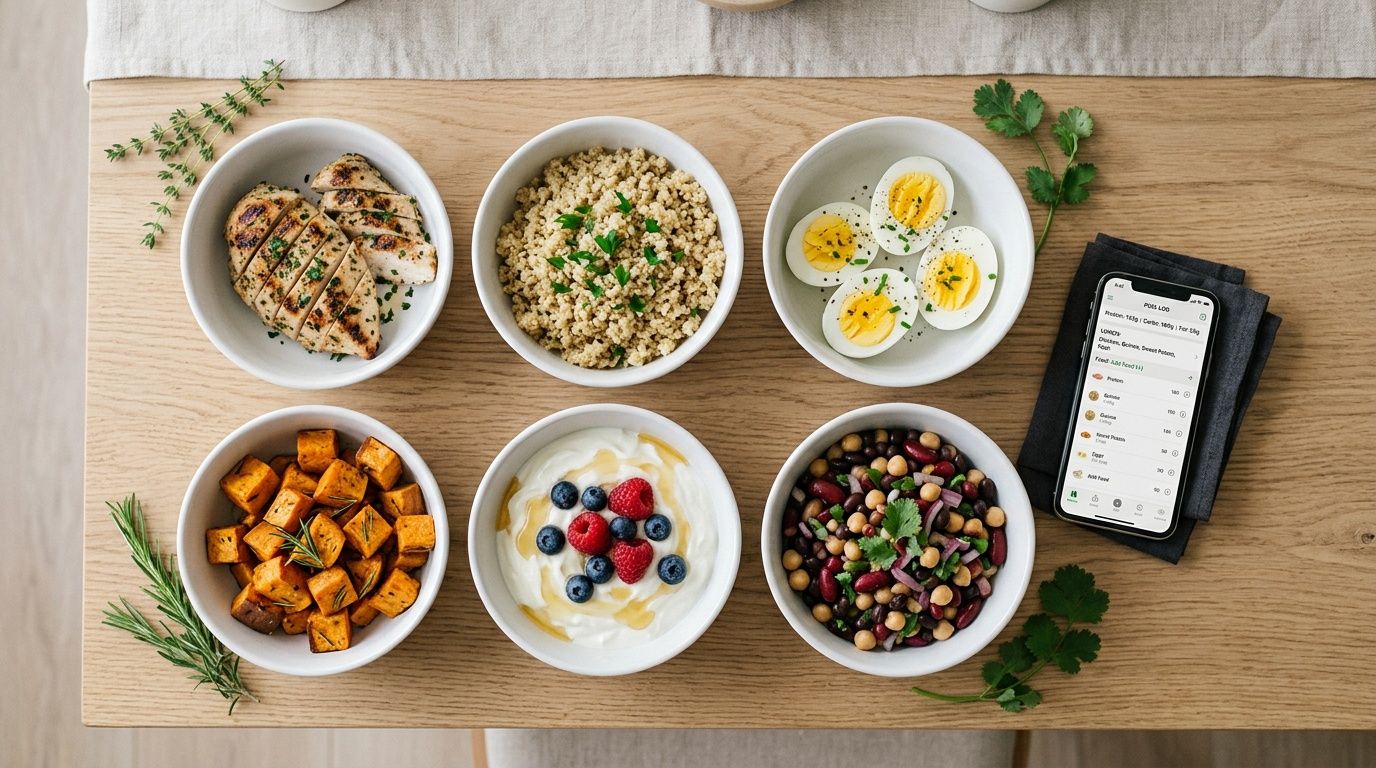
Stop Fighting Client Nutrition Plans. Start Here.
Your client nails every workout. Their form is clean, their RPE targets are on point, and they never miss a session. But their progress photos are stagnant. You check their food log and see the problem, missed meals, takeout orders, and protein shakes making up for “bad” days. The complex meal plan you built isn't sticking. It's not your coaching, it's the system.
Building sustainable nutrition plans for a full client roster requires a foundation of simple, repeatable, macro friendly food staples that clients can cook, buy, and log without thinking too hard. That matters even more when average U.S. adult intake sits at 15.3% protein, 50.7% carbs, and 32.9% fat of total energy, which is often enough for general intake but not always enough for physique or performance-focused clients.
Macro-friendly eating took off with flexible dieting and IIFYM in the early 2010s, then tracking apps made it practical at scale. The coaches who get the best adherence usually don't win with creativity. They win with repeatable defaults. Start with foods clients can find, prep, and track accurately, then build meals around them.
Table of Contents
1. Chicken Breast
Why it stays in rotation
2. Eggs and Egg Whites
How to coach the ratio
3. Lean Ground Turkey
What works in real meal plans
4. Greek Yogurt Plain Non-Fat or Low-Fat
How to keep clients from buying the wrong one
5. Salmon and Fatty Fish
When to use it instead of lean protein
6. Cottage Cheese
7. Oats Rolled or Steel-Cut
How to make oats stick
8. Sweet Potatoes and White Potatoes
The tracking rule that prevents confusion
9. Canned Tuna in Water
Coach it as a contingency food
Handle the objections before they become drop-off points
10. Brown Rice and White Rice
Choose based on digestion not ideology
Top 10 Macro-Friendly Foods Comparison
Your 24-Hour Action Plan Simplify Client Nutrition
1. Chicken Breast
A client checks in after a long workweek, macros are off, and the food log is all over the place. Chicken breast is usually the fastest reset because it gives you a high-protein default that fits almost any plan. The USDA FoodData Central entry for roasted chicken breast is the kind of reference worth using in practice because it gives coaches a consistent baseline for logging and portioning.
It stays in rotation for one reason. It scales.
Across a roster, chicken breast works for fat loss, maintenance, and gain phases without changing the food itself. You change the portion, the sides, and the cooking method. That makes rollout easier inside a coaching platform too, because one base protein can sit inside multiple meal templates instead of forcing clients to learn a new system every week.
Why it stays in rotation
Start with meals the client already recognizes. Rice bowls, wraps, salads, pasta dishes, quesadillas, and sandwiches all hold chicken well. Adherence usually improves when the food feels familiar and the prep is predictable.
The trade-off is obvious. Chicken breast is efficient, but it gets dry fast and clients get bored with it if you coach it like a bodybuilder staple instead of a normal household food. The fix is simple. Give them two or three approved uses, one batch-cook method, and a clear portion target they can repeat without guessing.
Tracking is where coaches lose accuracy. A client weighs chicken raw on Sunday, logs cooked portions on Tuesday, then reports a plateau on Friday. The food did not fail. The system did.
Practical rule: Pick one measurement method and keep it fixed. If the client meal preps in bulk, have them log cooked weight every time or raw weight every time.
A few tactics that hold up across a large client book:
Build one default serving first: Give the client a repeatable portion they can recognize at a glance, then adjust up or down based on the phase.
Coach flavor on purpose: Dry protein gets skipped. Use marinades, sauces with known macros, spice blends, or shredded preparations that reheat better.
Assign it to the right meal: Lunch and dinner usually work better than breakfast for compliance, especially with office workers and parents.
Template it in software: Save chicken-based meals as reusable entries so clients are selecting, not re-entering. That cuts logging friction and improves accuracy.
For coaches building systems instead of one-off meal ideas, the same thinking shows up in strong education standards and setup habits. Coaches working through personal trainer requirements and practical coaching standards usually get better results when they standardize food choices this way.
2. Eggs and Egg Whites
A client can miss dinner prep, overshoot fats at lunch, and still stay on plan if breakfast is built around eggs and egg whites. That is why this food earns a permanent spot in so many plans. It gives coaches a fast way to change protein and fat without rebuilding the meal from scratch.
Eggs bring taste, texture, and staying power. Egg whites let you raise protein while keeping calories and fats tighter. Used together, they solve a common coaching problem. The client wants a breakfast that feels like real food, but the phase does not leave much room for guesswork.

The best use case is consistency. Keep the meal structure fixed, then adjust the ratio. A client who needs more satiety can run more whole eggs. A client in a tighter cut can keep one or two yolks for flavor and add whites to bring protein up. Same pan. Same breakfast slot. Less decision fatigue.
How to coach the ratio
Start with one repeatable build, not a menu of options. I usually assign a scramble, omelet, or breakfast wrap, then scale the eggs and whites based on the client's current calorie target, hunger pattern, and willingness to cook before work.
A few patterns hold up across a large roster:
Use more whole eggs for clients who stay fuller with higher-fat breakfasts: This works well for clients who snack by 10 a.m. if breakfast is too lean.
Keep at least some yolk in the meal when compliance matters more than perfect macro efficiency: Texture and taste drive repeat behavior.
Use carton whites for speed and logging accuracy: They are easier to pour, portion, and track than separating eggs by hand.
Batch hard-boiled eggs for travel, shift work, and missed meals: They are one of the few protein options clients will keep in a bag or office fridge.
This is also a good food to standardize inside your coaching platform. Save a few default entries such as "2 eggs + 200 g egg whites scramble" or "1 egg + egg white breakfast wrap" so clients pick a saved meal instead of building a custom log every morning. Accuracy goes up when the entry is already there.
Common objections are predictable. "Eggs are boring" usually means the client only knows one preparation. Give them three approved formats. Scramble, hard-boiled, and wrap is enough for many. "I never know how much to log" usually means they switch between whole eggs, loose whites, and restaurant portions without a rule. Set the rule. Log whole eggs by count, carton whites by grams or milliliters, and restaurant egg dishes with a saved estimate they reuse each time.
Coaches who build systems like this tend to get better compliance because they teach repeatable food decisions, not random meal ideas. The same habit shows up in strong personal trainer requirements and coaching standards.
Show clients exactly what properly cooked whites look like. Visual cues matter more than written instructions.
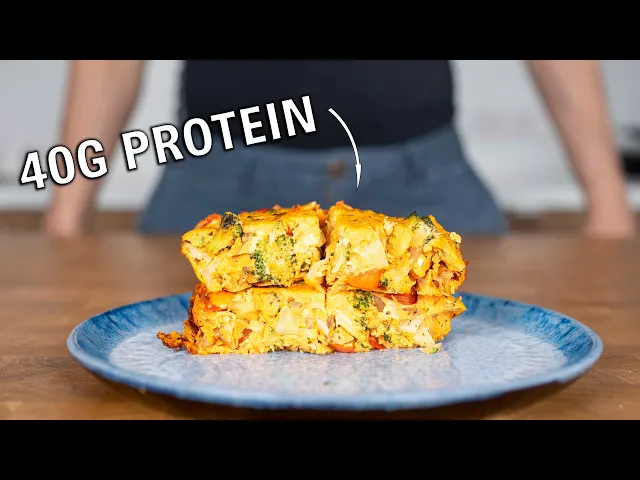
Here's a simple egg prep demo you can send when a client says they “don't know how to cook eggs well.”
3. Lean Ground Turkey
Lean ground turkey is what I use when a client needs chicken-level practicality but wants food that feels more normal. It works in tacos, burgers, bowls, pasta, and meal-prep containers without the dryness that turns people off plain poultry.
This is also where coaching judgment matters. The leanest version on the shelf isn't always the best choice. If a food is technically efficient but clients hate eating it, it won't last.
What works in real meal plans
Ground turkey is strongest in plans built around familiar dinners. Taco bowls. Turkey burgers. Turkey pasta. Chili-style meals. Clients stick to food that looks like something they'd choose anyway.
The trade-off is flavor. Turkey is mild, so under-seasoned turkey gets abandoned fast. Fix that before you blame adherence.
Seasoning is not an optional extra in a macro friendly food plan. It's part of the compliance strategy.
A few practical coaching notes:
Choose the lean version your client will eat: Slightly more fat with better texture often beats a drier option that gets left in the fridge.
Build one-pot meals around it: Less cleanup increases the odds the client repeats it.
Freeze extra portions: This is especially useful for clients who skip meals when work gets busy.
Ground turkey also works well for culturally adaptable plans. You can season it toward Latin, Mediterranean, or Asian-style meals much more easily than trying to force every client into the same chicken-rice template.
4. Greek Yogurt Plain Non-Fat or Low-Fat
Greek yogurt is one of the easiest wins in a nutrition plan because it can function as breakfast, snack, sauce base, or dessert replacement. Non-fat versions provide about 10g of protein per 100g, which gives you a high-protein option that doesn't require cooking.

It's also one of the best foods for fixing the “protein shake and coffee” breakfast pattern. Clients can mix it with berries, oats, or cereal and suddenly have a real meal with structure.
How to keep clients from buying the wrong one
Tell them to buy plain. Not vanilla. Not “lightly sweetened.” Plain. Once flavored yogurt enters the plan, tracking gets messy fast.
Greek yogurt also helps when a client says healthy food is too repetitive. It can become a dip, dressing base, overnight oats ingredient, or a sour cream replacement. Same grocery item, multiple jobs.
Use cases that work well:
Breakfast anchor: Greek yogurt, fruit, and a measured carb source.
Snack upgrade: Replace low-protein snack foods with yogurt plus something crunchy.
Sauce swap: Mix with herbs or seasoning blends for wraps, bowls, or baked potatoes.
Coach's note: If a client says they hate plain Greek yogurt, don't fight that battle first. Mix it into something they already eat and build tolerance from there.
This is one of those foods that scales well across a roster because it's simple to log and easy to portion. It's especially useful when you need one staple that can support both fat loss clients and high-volume eaters.
5. Salmon and Fatty Fish
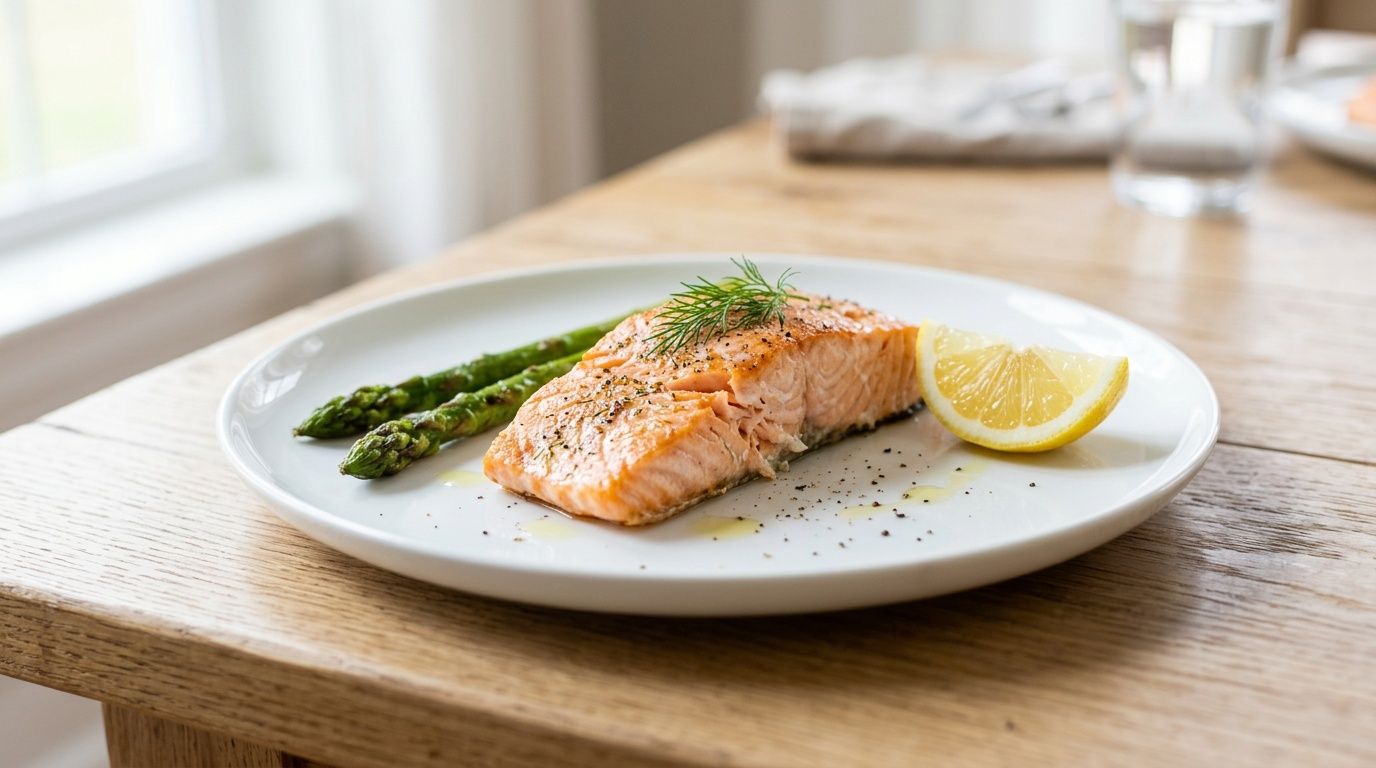
A client hits the wall on chicken by week two. Compliance drops, dinner gets skipped, and late-night snacking picks up. Salmon usually solves that faster than another lecture about discipline.
It gives you a protein source with enough fat to make the meal satisfying, which matters for clients who keep reporting hunger, poor meal enjoyment, or constant cravings after very lean lunches and dinners.
When to use it instead of lean protein
Use salmon on purpose, not just for variety. It fits well for clients who under-eat fats, struggle with satiety, or do better on two or three more substantial meals instead of frequent low-fat feedings. It is also one of the easiest swaps when a client says they are tired of dry meat but still need a repeatable protein option.
The trade-off is obvious. Salmon costs more than chicken or turkey in many markets, and some clients will not buy fresh fillets every week. Work around that early. Frozen portions, canned salmon, or a once or twice weekly dinner slot usually keeps the food in play without blowing up the grocery budget.
A few roster-level uses tend to hold up:
Dinner anchor: Salmon, potatoes, and a vegetable gives clients a structured meal that feels complete.
Higher-fat macro slot: Place it where the plan has room for dietary fat so the client is not trying to force it into a very low-fat day.
Adherence rescue: Clients who keep abandoning lean proteins often stay more consistent with salmon.
Coach the objections before they become excuses. If the client says fish is too expensive, scale frequency down. If they say they do not know how to cook it, start with oven-baked frozen portions and a simple seasoning routine. If they hate fishy taste, canned salmon is usually the wrong first exposure. Start with milder frozen fillets instead.
Tracking matters here because salmon entries vary a lot by cut, cooked vs. raw weight, and added oils. A personal trainer app for nutrition compliance and food logging review helps you catch those errors fast, standardize entries across clients, and spot whether the food is improving adherence or just creating macro drift over the week.
6. Cottage Cheese
A client gets home at 9 p.m., still needs protein, and does not want to cook. Cottage cheese solves that problem fast.
It earns its place on a roster because it is high in protein, easy to portion, and flexible enough to fit cutting phases, maintenance, and higher-calorie performance plans. The bigger coaching issue is acceptance. A lot of clients reject it on texture before they have tried a version that fits their preferences.
That is a coaching problem, not a food problem.
Start with the use case, not the food itself. Clients who need a late-night snack, a fast desk lunch add-on, or a higher-protein breakfast side usually do well with cottage cheese. Sweet versions work for clients who already use yogurt bowls. Savory versions work better for clients who are tired of sweet protein foods by week three.
A few applications hold up across a large roster:
Evening protein slot: Useful for clients who miss their target late in the day and need something ready in two minutes.
Texture-adjusted entry point: Blend it into smoothies, oats, dips, or sauces before asking the client to eat it plain.
High-protein snack rotation: Pair it with fruit, cucumbers, tomatoes, or salsa so it does not become another dry, repetitive protein task.
Objections are predictable. Handle them early. If the client says it feels too lumpy, switch brands or use whipped cottage cheese. If they say it tastes bland, give them two default combinations and have them repeat those for a week. If sodium is the concern, compare labels and choose a lower-sodium option instead of removing the food immediately.
Tracking needs more structure than coaches sometimes expect. Fat level varies by product, and clients often log generic entries that do not match the tub in their fridge. Have them scan the exact label, save the serving in their app, and log by weight or the listed serving size every time. A nutrition coaching app built for repeat meal tracking makes this easier to standardize across the roster, especially when you want to see whether cottage cheese is improving protein compliance or just getting logged once and forgotten.
7. Oats Rolled or Steel-Cut
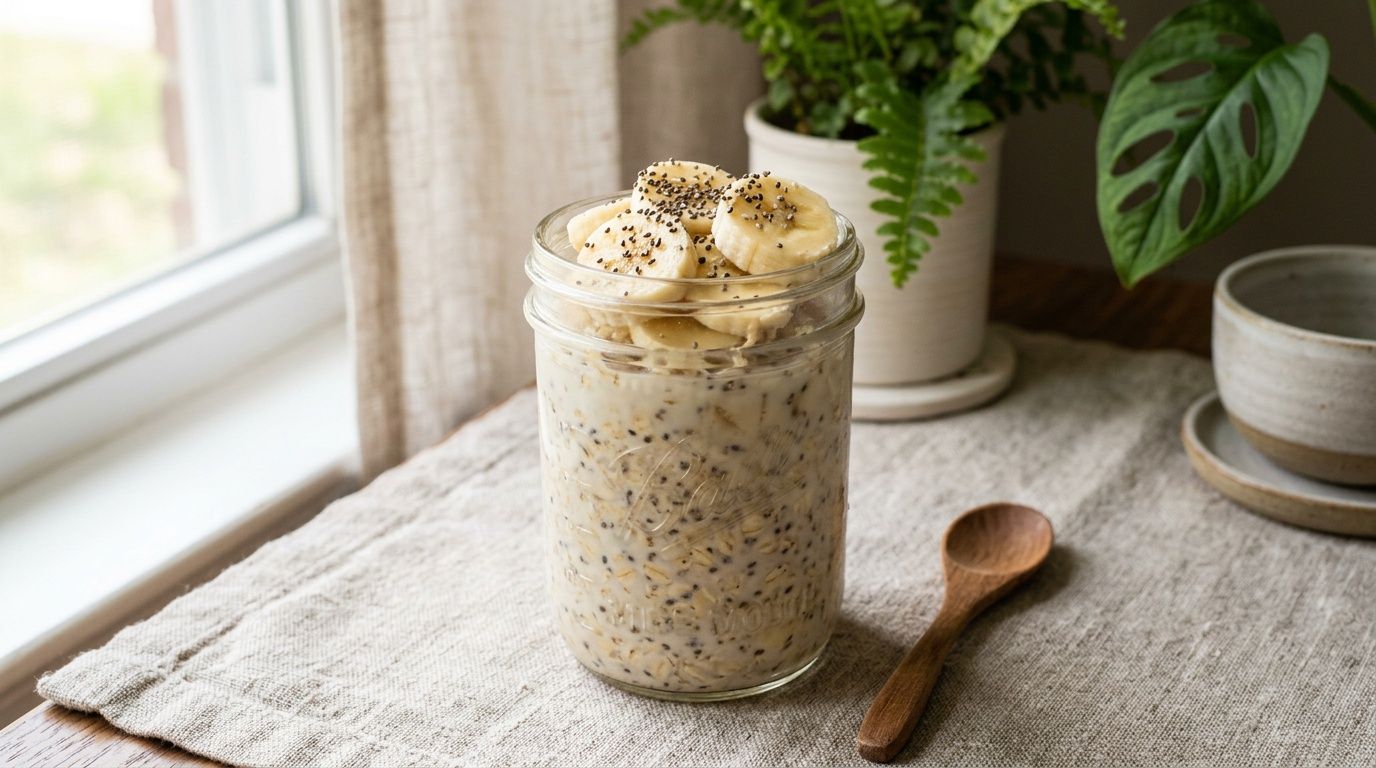
Oats are one of the best carb anchors in a client plan because they solve two problems at once. They're easy to prep, and they pair naturally with protein.
That second point matters. Oats by themselves aren't the answer. Oats with Greek yogurt, eggs on the side, or a protein addition become a meal that holds a client over.
How to make oats stick
The biggest mistake clients make is logging them inconsistently. Dry weight one day, cooked volume the next. That creates noise in the food log and leads to false adjustments.
Teach clients one method and keep it fixed. Dry weight is usually the cleanest option because water changes everything.
Oats also work because they can be prepped ahead. Overnight oats are especially useful for clients who skip breakfast because mornings are chaotic.
For rushed clients: Overnight oats remove the cooking barrier.
For appetite control: Pair oats with a clear protein source.
For easy repetition: Keep two or three topping combinations and rotate them.
A good nutrition logging setup makes this easier because clients can save repeat meals instead of rebuilding them every morning. If you're standardizing food tracking across your roster, a purpose-built nutrition coach app helps cut down on logging friction.
8. Sweet Potatoes and White Potatoes
Potatoes are one of the most underused carb sources in macro coaching because they've spent years getting mislabeled as “bad carbs.” In practice, they're easy to prep, filling, and simple to build into normal meals.
Sweet potatoes and white potatoes both work. The right pick usually comes down to taste preference, digestion, and what the client will buy again.
The tracking rule that prevents confusion
The first thing to standardize is cooked weight. Potatoes change a lot with prep method, and clients get lost fast if you don't give them one clean rule.
Baked potatoes are usually the easiest coaching move because they're simple and repeatable. Roast trays also work well for meal prep clients who like bowls or sheet-pan meals.
Don't turn potatoes into a nutrition debate. Pick the form your client likes, teach one prep method, and keep the serving consistent.
What works best in the field:
Batch bake several at once: This makes lunch and dinner assembly much easier.
Keep the skin on when possible: It improves the eating experience and makes the meal feel more complete.
Pair with protein automatically: Potatoes alone are usually where plans drift into snack behavior.
For challenge groups or habit-based programs, potatoes are also useful because they feel like real food, not diet food. That matters if you're trying to improve consistency without triggering the usual restriction backlash. This is the same reason simple habit frameworks often work better than overly strict plans, especially in broader exercise challenge ideas that combine training and nutrition adherence.
9. Canned Tuna in Water
A client gets home at 8:30 p.m., missed meal prep, and is one bad takeout decision away from blowing the day. Canned tuna is the pantry fix for that moment.
It earns its place because it is shelf-stable, fast, and usually easy to track. USDA FoodData Central lists canned tuna in water as a high-protein, low-fat option, which is exactly why it works well as a backup protein in macro-based plans.
Coach it as a contingency food
Tuna works best when you position it correctly from day one. Do not sell it as the exciting protein. Sell it as the reliable one.
That framing matters. Clients stick with tuna better when they know its job is to cover missed prep, tight budgets, travel days, and rushed lunches. If you present it as a daily staple, compliance usually drops within a week or two because the taste fatigue shows up fast.
A practical rollout across a roster looks like this:
Start with one defined use case: emergency lunch, late dinner, or office backup meal.
Give one default build: tuna plus Greek yogurt or mustard, plus a carb, plus fruit or vegetables.
Log it in the coaching platform by drained serving size: this prevents confusion across different can sizes and brands.
Set frequency limits early: two to four times per week is usually easier to sustain than trying to force it daily.
Handle the objections before they become drop-off points
The common pushback is predictable. Clients say tuna is boring, smells strong, or feels like diet food.
The fix is meal construction, not persuasion. Mix-ins matter more than motivation here. Greek yogurt, mustard, relish, hot sauce, chopped celery, onions, or pickles improve adherence because they make the meal taste normal. Single-serve pouches also solve part of the smell and convenience problem for office clients.
For higher-appetite clients, tuna alone rarely holds them. Add potatoes, toast, wraps, rice cakes, or crackers so the meal has enough volume and structure to feel finished.
What tends to work in practice:
Use pouches for work bags and travel
Use cans at home for lower cost per serving
Pair with a defined carb source
Track the drained amount, not the total can weight if liquid is included
Keep it in the plan as a backup protein, not the hero protein
Mercury intake is the real trade-off, so programming matters. Rotate tuna with other protein staples instead of building the whole week around it. That keeps variety up, reduces overuse, and makes the plan easier to sustain.
10. Brown Rice and White Rice
Rice belongs in more plans than many coaches allow. It's cheap, easy to batch cook, simple to digest, and it scales cleanly from fat loss to performance nutrition.
For vegan or mixed-diet clients, rice also pairs well with other staples. A practical example is rice with beans, which creates a more complete plant-based protein meal structure without forcing specialty products.
Choose based on digestion not ideology
Brown rice and white rice both work. Brown rice tends to suit clients who want more texture and satiety. White rice tends to suit clients who want faster digestion, easier prep, or a cleaner pre- and post-workout carb.
The mistake is making rice selection moral. It isn't. Match the food to the context.
A simple coaching framework:
Use white rice when digestion speed matters: This works well around training or for clients with touchier stomachs.
Use brown rice when meal fullness matters more: Good for lunch or dinner meals built for satiety.
Batch cook and portion it: Rice is at its best when it's already in the fridge.
Macro-friendly eating only works when the staples are easy to repeat. Rice checks that box every time.
Top 10 Macro-Friendly Foods Comparison
Item | Preparation complexity 🔄 | Resource requirements & cost ⚡ | Expected outcomes 📊 | Ideal use cases 💡 | Key advantages ⭐ |
|---|---|---|---|---|---|
Chicken Breast | Low, simple cook (15–20 min); risk of drying if overcooked | Low cost; freezes well; modest prep time | Very high lean protein (~31g/100g); low fat; excellent for deficits | Batch cooking, contest prep, macro baseline for clients | Clean macros, versatile, scalable ⭐⭐⭐⭐ |
Eggs & Egg Whites | Very low, 2–5 min; flexible whole vs whites | Very low cost; refrigerated; highly scalable | Complete amino acids; adjustable fat by using whites vs whole | Breakfasts, macro tweaking, low-budget plans | Macro flexibility, cheap, quick ⭐⭐⭐⭐ |
Lean Ground Turkey | Low, quick browning (10–12 min); needs seasoning | Moderate cost; ground format saves prep time | Good protein (~22g/100g); moderate fat (8g/100g) | Tacos, burgers, variety for clients bored of breast | Texture variety, easy portioning ⭐⭐⭐ |
Greek Yogurt (plain) | Minimal, ready-to-eat; avoid flavored varieties | Moderate price; refrigerated; bulk lowers cost | High protein per calorie (~10g/100g); probiotics, calcium | Snacks, overnight oats, travel-friendly protein | Satiating texture, versatile, protein-dense ⭐⭐⭐⭐ |
Salmon & Fatty Fish | Low–medium, quick cook (12–15 min); careful storage | Higher cost; frozen options reduce price variability | Protein (~25g/100g) + omega‑3s; nutrient-dense, higher fat | Health-focused clients, raise dietary fat quality | Omega‑3 benefits, micronutrient-rich ⭐⭐⭐⭐ |
Cottage Cheese | Minimal, ready-to-eat; texture may deter some clients | Low–moderate cost; refrigerated; short post-open shelf life | Casein-rich (~11g/100g); slow digestion → prolonged satiety | Late‑night protein, hunger control in deficits | High protein-to-calorie, satiety support ⭐⭐⭐ |
Oats (rolled/steel-cut) | Low–medium, quick or longer cook (steel-cut); weigh dry | Very low cost; long shelf life; bulk friendly | Carbs (27g/100g dry), fiber (8g/100g), sustained energy | Training-day carbs, breakfasts, overnight oats | Affordable, high fiber, versatile ⭐⭐⭐ |
Sweet & White Potatoes | Medium, bake/roast (20–40 min); bulk baking possible | Low cost; whole-food; store well when raw | Carbs (~17–20g/100g); vitamins (sweet potato) & resistant starch (cooled white) | Whole-food carb meals, performance fueling | Satisfying, nutrient-dense carb source ⭐⭐⭐ |
Canned Tuna (in water) | Very low, no cooking; ready to eat | Very low cost; shelf-stable; portable | Very high protein (~29g/100g); minimal fat | Travel, busy clients, strict low‑fat phases | Convenience, affordability, high protein ⭐⭐⭐ |
Brown & White Rice | Low–medium, cook times vary; bulk cookable | Very low cost; long dry shelf life; rice cooker-friendly | Carbs (~23g/100g cooked); brown adds fiber (3.5g/100g) | Scalable carbs, post‑workout (white), satiety (brown) | Affordable, versatile, easy to scale ⭐⭐⭐ |
Your 24-Hour Action Plan Simplify Client Nutrition
You don't need exotic ingredients or complicated meal plans to improve client results. You need a short list of foods that clients can repeat under real-life conditions. These 10 staples work because they cover the basics, protein anchors, reliable carb sources, flexible snack options, and a few higher-fat choices that keep plans from feeling sterile.
That's the larger point behind macro friendly food. It's not just about foods that look lean on paper. It's about foods that can survive a client's real schedule. If a food requires perfect planning, advanced cooking skill, or constant motivation, it probably won't scale across a roster.
There's also a broader market signal behind this. The high protein-based food market is projected to grow by USD 57,119.8 million from 2026 to 2030 at an 8.5% CAGR. Demand is moving toward practical, protein-forward eating, which means clients are already looking for simpler ways to hit their numbers. Your job is to filter that demand into foods they'll eat and track.
Keep the trade-offs in view. Chicken is efficient but boring if you don't coach flavor. Eggs are flexible but can get repetitive. Greek yogurt is easy but clients often buy the wrong version. Salmon improves meal quality but may not fit every budget. Tuna is convenient but rarely wins on enjoyment. Potatoes and rice are easy to prep but need portion consistency. None of that is a reason to avoid them. It's the exact coaching work that matters.
There's another layer that working coaches can't ignore. Not every client has equal food access, and not every client eats from the same cultural food framework. Generic macro content often assumes unlimited grocery access and a standard Western food list. That breaks down fast with lower-income clients, immigrant households, or clients using food banks, SNAP, or community food resources, as discussed by the America's Healthy Food Financing Initiative overview of underserved food access and the Culturally Responsive Food Initiative at Food Bank of the Rockies. Good coaching adapts the macro framework to the client's actual food environment instead of forcing the client to mimic someone else's grocery cart.
Open your client roster today. Pick one client who keeps missing protein, skipping breakfast, or going off-plan at dinner. Review their food log in FitCentral and identify one meal where a simple swap from this list could improve compliance. Build that meal around chicken breast, Greek yogurt, oats, eggs, or rice. Assign it this week, track whether they repeat it, and refine from there.
That's how you build a nutrition system that scales. One repeatable meal at a time.
FitCentral helps you turn this kind of nutrition coaching into a repeatable client system. You can review food logs, assign simple meal targets, track habits alongside training, and keep everything in one reliable place instead of bouncing between spreadsheets, chat threads, and buggy apps that never seem to improve. It was co-founded by David Spitdowski, a practicing personal trainer who still coaches real clients, and that shows in the workflow. If you want a platform built for working coaches, with transparent pricing at $29 per month plus $1 per active client, take a look at FitCentral.
See also




Ready to stop fighting your software?
FitCentral gives you everything you need to manage clients, deliver results, and grow your business. Sign up today.