10 Exercise Challenge Ideas to Engage Your Clients
Tired of stale client check-ins? Try a challenge.
It’s that point in the coaching cycle where the first wave of motivation has faded. Check-in replies get shorter, workout comments dry up, and even good clients start feeling passive. You know they need a clear target and a reason to re-engage, but you don’t need another admin-heavy project built on spreadsheets, group chats, and manual follow-up.
A well-run challenge is still one of the best engagement tools a coach can use. When fitness facilities offer challenges, over 80% of gym members participate, and structured monthly formats perform especially well. Challenge tracking data shows 30-day transformation challenges reach a 75% participation rate with a 65% completion rate, while monthly fitness goals reach 85% participation with a 70% completion rate, according to Benfit’s fitness challenge data. That matters if you’re managing a solo roster, because it tells you structured, time-bound exercise challenge ideas can keep a big portion of your clients active for a full month.
The gap isn’t creativity. It’s execution. A lot of coaches already know the usual challenge formats, but most content skips the hard part: how to track adherence, stop week-two drop-off, and run the thing without creating more work for yourself, a problem highlighted in this review of challenge content gaps.
Here’s a better way to do it, with 10 practical ideas you can set up this week.
Table of Contents
1. 30-Day Squat Volume Challenge
How to run it
2. 100K Steps in 30 Days
How to keep walking challenges from going flat
3. Push-Up Pyramid Challenge
How to scale it fast
4. Plank Progression Challenge
Build the progression before you launch it
5. 7-Day Bodyweight HIIT Streak
Keep the week tight and simple
6. 21-Day Mobility & Flexibility Flow
How to make mobility challenges stick
7. Hydration & Habit Streak Challenge
What to track and what not to track
8. Virtual 5K Race
Make the event easy to join and easy to submit
9. Partner Relay Challenge
Pairing rules that prevent headaches
10. Handstand & Inversion Progression
Where this works best
10-Item Exercise Challenge Comparison
Your Next Step: Launch a Challenge in 24 Hours
1. 30-Day Squat Volume Challenge
This one works because it’s simple, visible, and easy to coach at scale. Start clients at a manageable daily squat target, then build the month with progressive volume. The common structure coaches use is a squat progression that starts at 50 reps and builds toward 250 by the end, supported by progressive challenge research summarized in this exercise challenge study overview.
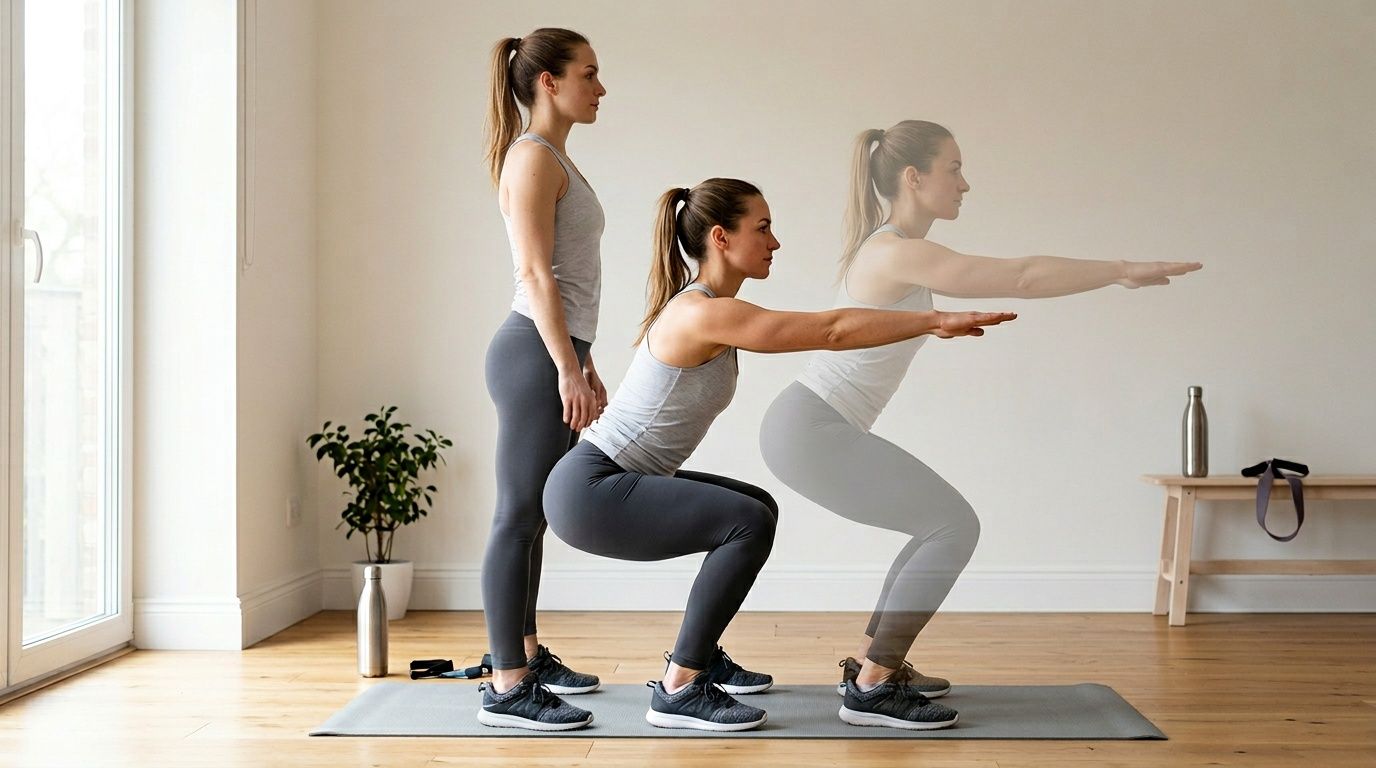
That same research tracked participants across baseline, midpoint, and final testing, showed increased squat-test reps over time, and reported zero injuries and zero dropouts when the challenge was properly designed and progressed through the full period. For coaches, that’s a key takeaway. Progression keeps people in, random punishment workouts push them out.
How to run it
Use bodyweight squats for general population clients, goblet squats for intermediates, and box squats or sit-to-stands for deconditioned clients. Every seventh day, pull volume back or swap to a lighter lower-body pattern so knees and hips stay happy.
Client fit: Great for gen pop, fat-loss clients, and anyone who needs a consistency reset.
Scaling option: Prescribe total reps for the day, then let clients break them into sets that suit their schedule.
Prize idea: Reward best adherence, not just top score. That keeps newer clients in the game.
Practical rule: Don’t make this a pain-tolerance contest. Make it a consistency contest.
Inside FitCentral, create a dedicated Group, add a daily habit or workout log, and turn on leaderboard visibility for completed days. Upload one short squat demo and one common-errors demo to the exercise library. Then use a pinned message like this:
“We start Monday. Log your reps every day, even if you split them up. Miss a day, don’t disappear. Pick it back up and keep moving.”
2. 100K Steps in 30 Days
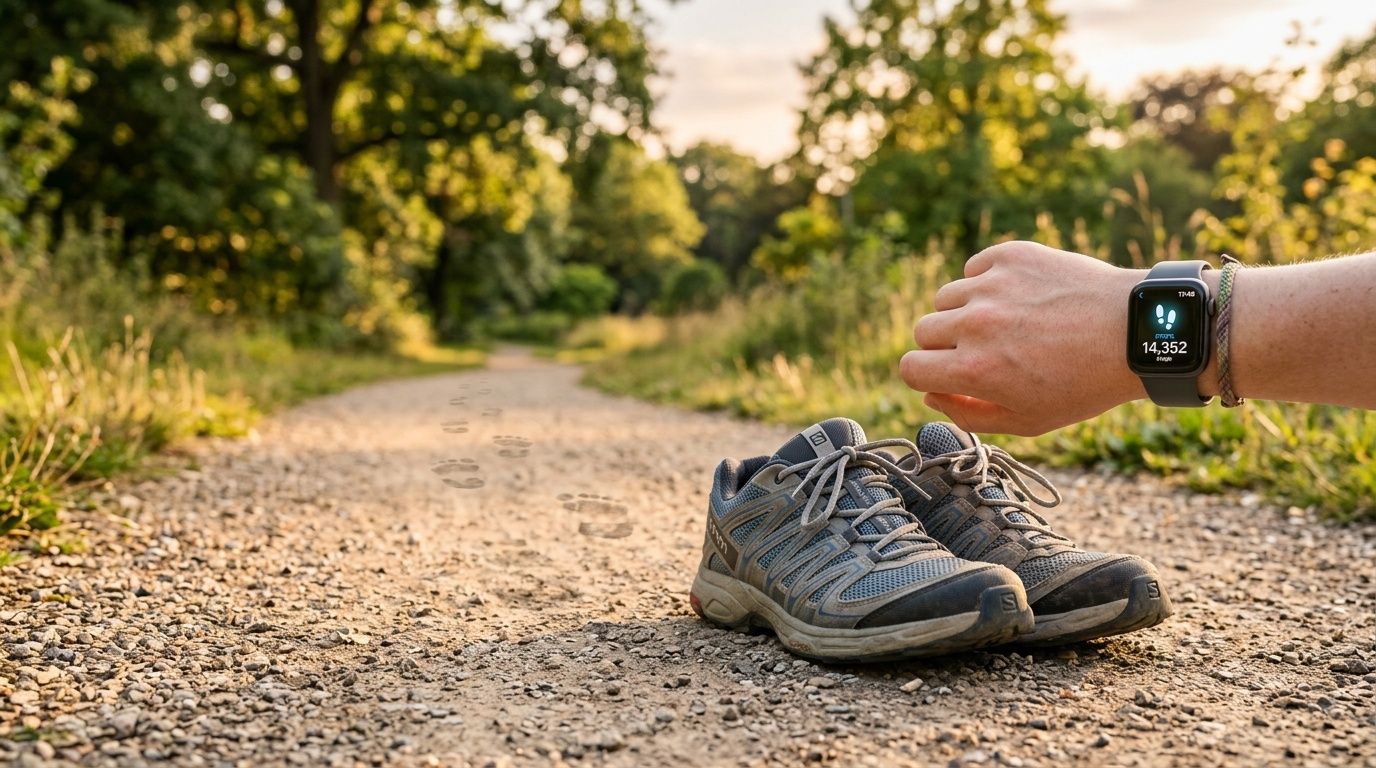
If you need a low-friction challenge that still creates daily touchpoints, start here. A monthly step target pulls in clients who aren’t ready for a performance challenge, and it works especially well for hybrid rosters where some people train hard in sessions but disappear between them.
The best version isn’t “walk more.” It’s one clear monthly number, auto-tracked if possible, with visible progress inside the client app. That matters because logging friction is often what kills adherence, not the walking itself.
How to keep walking challenges from going flat
Give clients more than one path to completion. A busy parent might bank steps with school runs and treadmill walks. A desk-based client may need calendar prompts for three short movement breaks. A lower-mobility client may need an alternative cardio target you approve in advance.
Best audience: Beginners, returners, online clients, and nutrition-first rosters.
Group prompt: Ask clients to post one walking photo each week from wherever they got their steps.
FitCentral setup: Create a challenge group, ask clients to sync wearables where available, and post a weekly standings update in community chat.
For a clean invitation message, use this:
“This is a movement challenge, not a perfection challenge. Hit your walks, log your progress, and keep the streak alive.”
If you coach habit-heavy clients, this also pairs well with broader accountability around food logging and daily routines. For ideas on building a wider wellness roster, see FitCentral’s guide to building a coaching business across nutrition specialisms.
3. Push-Up Pyramid Challenge
This is a good challenge when you want a short cycle, quick wins, and a skill clients can feel improving in real time. A 14-day pyramid gives enough runway for adaptation without dragging on long enough for boredom to set in.
Run it as ascending reps from 1 to 10, then descending back down, or cap the top set earlier for beginners. You can score it by completion, by clean reps, or by total volume across the challenge window. I’d avoid scoring by speed unless your group already has solid push-up standards.
How to scale it fast
The trick is giving every client a version that still feels like the same challenge. Put everyone in one leaderboard, but let the movement vary. Full push-ups, incline push-ups, hands-raised push-ups, and eccentric-only reps can all sit under the same framework if the logging rules are clear.
Use with: Small groups, hybrid coaching, and clients who respond well to benchmark work.
Common mistake: Letting ego drive exercise selection. Too many people choose a version they can’t repeat cleanly.
FitCentral setup: Add a custom field for daily RPE or perceived difficulty so you can catch overload early.
Clean reps beat ugly volume every time. If range shortens and trunk position falls apart, the client needs a regression, not a pep talk.
For support content, keep one form video and one “how to regress without feeling like you failed” post inside the group. If you want more content ideas you can adapt around challenge delivery, FitCentral’s main coach education blog is a useful reference point.
4. Plank Progression Challenge
A client joins your challenge, sees a three-minute plank target on day one, and starts shaking through their lower back by the 40-second mark. That is how coaches turn a useful core challenge into a form contest.
Run this one as a 21-day position-quality progression. Start with short holds clients can own, then build by seconds, difficulty, or variation. Keep the standard tight. Ribcage stacked over pelvis, glutes on, steady breathing, no hanging on passive tissues.
What makes this challenge work is the structure around it. Give clients a daily target, a clear regression, and one simple rule for logging: only count sets that match the demo standard. In FitCentral, set it up with three movement options under the same challenge so clients can stay in one scoreboard while using the version they can perform well. Standard front plank, side plank, and plank with hands/feet on a raised surface usually cover the range you need.
Build the progression before you launch it
I like to split the 21 days into three blocks. Week one is position ownership. Week two adds time or an extra set. Week three adds a harder variation for clients who have earned it, while everyone else keeps building clean volume on their current level.
That keeps the challenge feeling fresh without drifting into random programming.
Best for: Beginner strength clients, desk-bound adults, and remote coaching groups with limited equipment
Regression path: Knees down, hands on a raised surface, or 10 to 20 second repeat efforts instead of one long hold
Progression path: Long-lever plank, side plank with reach, loaded plank, or slow nasal breathing constraints
What to watch: Low back extension, head dropping, and clients chasing time after position is gone
The coaching cue matters more here than the stopwatch. Frame the challenge around owning posture under tension. Clients usually improve faster when they hear “make this look the same from first second to last second” instead of “hold as long as possible.”
If you want your staff delivering those standards consistently, FitCentral’s guide to personal trainer coaching requirements and delivery standards is a useful reference.
A simple message to launch it:
“Your goal is not to survive the plank. Your goal is to make every rep look strong, quiet, and repeatable. Log only the sets you’d want on video.”
5. 7-Day Bodyweight HIIT Streak
Short challenges work when your roster feels mentally tired. A seven-day bodyweight streak is less intimidating than a month-long ask, and it’s often enough to restart momentum for clients who’ve been drifting.
Keep the sessions brief and structured around movement patterns, not random intensity. One day can emphasize squat, another push, another hinge, another core, then repeat with small changes in density or work-to-rest. Don’t try to impress people with complexity. Simplicity is what gets seven straight days logged.
Keep the week tight and simple
Write each day so clients can finish it in a small window at home, in the gym, or while traveling. That means clear work periods, clear regressions, and no equipment dependencies unless the entire group has the same setup.
Good fit: Busy professionals, travel weeks, and low-motivation phases.
What works: Daily streak tracking, same posting time every day, and one coach comment on every completed session.
What doesn’t: Long explanations, changing formats every day, and workouts that need too much floor space or gear.
If you coach newer trainers or assistants as part of your business, there’s also a useful FitCentral resource on personal trainer requirements that helps tighten the standard of how sessions and client expectations are delivered.
6. 21-Day Mobility & Flexibility Flow
Mobility challenges are easy to sell and easy to ruin. If you make them too vague, clients skip them because they don’t know what “do mobility” means. If you make them too rehab-heavy, clients treat them like homework and stop caring.
The best version is a daily ten-minute flow with a rotating emphasis. Ankles and hips one day, thoracic spine and shoulders the next, then a lower-intensity recovery day with slower holds. Keep the sequence familiar enough that clients learn it, but varied enough that they don’t tune out.

How to make mobility challenges stick
Ask for one proof point that’s easy to notice. Maybe it’s squat depth comfort, overhead position, or how stiff they feel getting out of bed. When clients can connect the flow to a real training benefit, compliance improves.
Only a minority of commercially available fitness apps are developed with healthcare professional consultation. Research summarized by Market Data Forecast’s fitness app analysis puts that figure at 28%. That’s a useful reminder for coaches. Generic mobility challenges often lack good programming logic, so your version should show exactly why each day exists and how it progresses.
Coach move: Add one sentence under each session explaining the training intent.
Scaling option: Give a floor version and a chair or wall-supported version.
FitCentral setup: Use daily reminders, ask for short movement clips on two key drills, and respond with concise form notes.
7. Hydration & Habit Streak Challenge
Not every challenge needs to center on training volume. Sometimes the fastest way to improve engagement is to tighten the behaviors around training. Hydration plus one daily habit works well because clients can win early, and early wins create buy-in.
Keep it to two tracked actions. More than that, and logging becomes the challenge instead of the behavior. One should be hydration. The second should be something friction-light like five minutes of stretching, a short walk after lunch, or a fixed bedtime routine.
What to track and what not to track
Don’t overbuild this. You don’t need a dozen lifestyle metrics or a giant scoring system. You need a clean daily yes-or-no log, one quick midday reminder, and a weekly post celebrating streaks.
Best for: Nutrition clients, lifestyle coaching, onboarding periods, and post-vacation resets.
Avoid: Customizing every variable for every client right from the start.
FitCentral setup: Use habit tracking for the daily actions and nutrition logging only where it supports the challenge, not where it adds clutter.
A message that works well here:
“Your job is simple. Hit the water target, complete the habit, and log it before bed. Don’t wait for motivation.”
If you coach nutrition alongside training, FitCentral’s overview of a nutrition coach app for habit and logging workflows can help you structure this challenge cleanly.
8. Virtual 5K Race
A client who skips strength sessions will still show up for a race date if the event feels real. That is the appeal of a virtual 5K. It gives your group a deadline, a reason to train with more intent, and a result they can share.
Keep the format simple. Set one race weekend, one submission deadline, and one proof standard. That might be a screenshot from a watch, treadmill distance, or a completed route log. If you leave too much room for interpretation, you create admin work and client confusion.
Offer three lanes from the start: run, run-walk, and walk. That keeps newer clients in the event instead of pushing them to the sidelines. I also like giving clients a two to four week ramp before race weekend. One interval day, one steady effort, and one easy recovery session per week is enough for general fitness clients to prepare without turning the whole month into run coaching.
Make the event easy to join and easy to submit
Participation usually drops for one reason. The setup feels messy. Write the rules in plain language, post the warm-up, give clients a route-planning checklist, and tell them exactly where to submit results inside FitCentral. Then publish results fast. The quicker you post finishers, the more the event feels legitimate.
Be clear about privacy as well. Tell clients what will be visible in the group, whether full times are public, and whether they can submit privately if they only want a completion badge. That trade-off matters. Public leaderboards drive energy, but some beginners will join only if they know they will not be compared too aggressively.
Best audience: Beginners who want an event, walkers, run-focused clients, remote communities, and charity-style groups.
Prize ideas: Fastest time, most consistent pacing, strongest first-time finish, and best race-day photo.
FitCentral setup: Create a dedicated event group, schedule the race weekend post, pin the submission instructions, add a simple result form, and publish a results graphic within 24 hours.
A message template that works well:
“Pick your lane: run, run-walk, or walk. Complete your 5K any time this weekend, submit your result by Sunday at 8 PM, and follow the warm-up before you start. If you want support, post your planned start time in the group.”
If you want to make the event feel more official for in-person clients too, simple printed race cards or finish-line handouts help. FitCentral has a practical guide to fitness trainer business cards and branded client handouts.
9. Partner Relay Challenge
If your community feels disconnected, this is the fastest fix in the list. Pair clients and give each pair a shared weekly target across a handful of movements. Suddenly the challenge isn’t just about personal discipline. It’s about not leaving your partner hanging.
This format works especially well with mixed-confidence groups. Newer clients borrow momentum from consistent clients, and experienced clients usually enjoy having a clear role inside the community. The key is matching schedules and expectations before you launch.
Pairing rules that prevent headaches
Don’t pair purely by fitness level. Pair by communication style, availability, and likelihood of checking in. A strong athlete who never replies is a worse partner than a mid-level client who’s reliable every day.
Good pairing logic: Similar training windows, similar preferred contact style, and similar challenge seriousness.
Shared target examples: Total reps, total sessions, or combined completion days.
FitCentral setup: Use group chat plus a shared leaderboard so each pair sees their standing without needing separate admin.
Pair challenges live or die on communication. If partners don’t know when the other person is contributing, the format loses energy fast.
If you want a simple offline touchpoint for studio or retreat environments, even small branded handouts or challenge cards can help. FitCentral has a practical piece on fitness trainer business cards that can spark ideas for physical challenge materials too.
10. Handstand & Inversion Progression
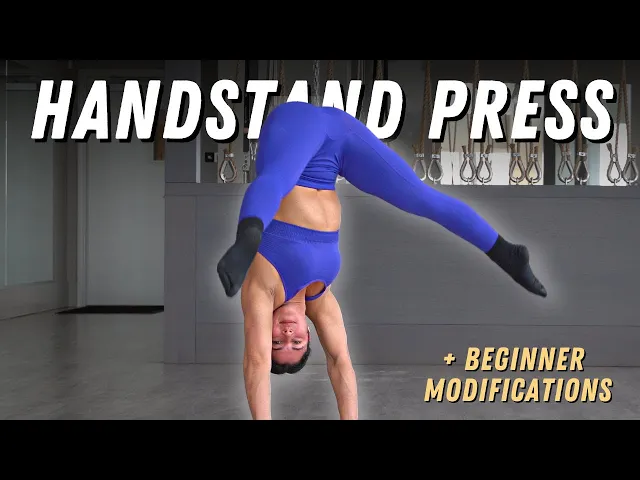
A handstand challenge changes the energy in a group fast. Clients stop chasing random effort and start practicing a visible skill they can measure on video. For the right roster, that creates strong buy-in and better coaching conversations because every rep shows you something useful.
Use this with clients who already own the basics. They should be able to hold a solid plank, control their rib position overhead, and tolerate wrist loading without irritation. If those pieces are missing, this challenge becomes a frustration cycle instead of a skill block.
The best version is a four-week progression with clear weekly checkpoints inside FitCentral:
Week 1: Wrist prep, hollow body holds, wall walks, and chest-to-wall line holds
Week 2: Controlled kick-up drills and wall handstand holds with exit practice
Week 3: Shoulder taps, toe pulls, and short freestanding attempts
Week 4: Balance exposure, entry consistency, and longer controlled holds
That structure matters. Clients usually want to skip straight to freestanding work. Coaches need to slow that down and reward position, not bravery.
Where this works best
This challenge fits calisthenics groups, gymnastics-adjacent clients, younger athletic populations, and studio communities that enjoy technical practice. It usually underperforms in general fat-loss groups, deconditioned populations, and any roster where clients train in crowded spaces with limited wall access.
There is also a real trade-off on coach time. Handstand work creates better engagement than another generic rep challenge, but review takes longer because technique matters. If you run this in FitCentral, set the rule upfront. Each client uploads two short clips per week, one side view and one wall or entry view. That gives you enough footage to coach line, shoulder angle, hand placement, and bailout control without creating a video backlog.
Lead with a quick visual if you use this challenge in your content or onboarding.
Inside FitCentral, build this like a challenge-in-a-box. Create four habit tasks, one for each weekly focus. Add a simple upload prompt under each task, and pre-write the feedback tags you know you will use often, such as “ribs flared,” “hands too wide,” “good stacked shoulder,” and “exit looked rushed.” That cuts admin time and keeps your coaching consistent across the whole group.
Client messaging needs to stay clear and calm. Use copy like this at launch:
“Your goal is not to force a freestanding handstand this week. Your goal is to build a shape you can repeat safely. Upload two short clips, follow the weekly drill list, and treat balance as a byproduct of better positions.”
And use this when clients start chasing attempts too early:
“No rushed reps. Earn the shape, own the wall work, and the balance piece comes later.”
Scaling is straightforward if you set it before day one. Regress beginners to pike holds on a box, bear position shoulder shifts, and wall walks to a partial range. Progress advanced clients with chest-to-wall hold targets, controlled toe pulls, handstand shoulder taps, or freestanding hold accumulations. Keep everyone inside the same challenge, but score them on execution and consistency, not on who can throw the biggest kick-up.
10-Item Exercise Challenge Comparison
Challenge | Implementation 🔄 (complexity) | Resources ⚡ (requirements / efficiency) | Expected outcomes ⭐📊 (quality & impact) | Ideal use cases | Key advantages 💡 |
|---|---|---|---|---|---|
30-Day Squat Volume Challenge | 🔄🔄, progressive daily ramp; needs form monitoring | ⚡, bodyweight only; FitCentral logging | ⭐⭐⭐⭐, lower-body strength, endurance; high completion in examples (≈85%) | General population, consistency programs | Simple, scalable, leaderboard motivation |
100K Steps in 30 Days | 🔄, low process complexity; daily logging | ⚡⚡, wearable or manual tracking; weather-dependent | ⭐⭐⭐, habit formation, increased daily activity; sleep benefits reported | All levels, corporate wellness, low-impact goals | Highly accessible, low injury risk |
Push-Up Pyramid Challenge | 🔄🔄🔄, tempo, sets, and monitoring required | ⚡, minimal equipment; in-app timers helpful | ⭐⭐⭐⭐, upper-body strength gains (example 30% avg) | Intermediate clients, strength-focused programs | Scalable regressions/progressions, gamified pace/volume |
Plank Progression Challenge | 🔄🔄, daily holds with variation scheduling | ⚡, minimal equipment; check-ins for hold times | ⭐⭐⭐⭐, core stability and posture improvements | Core stability, posture correction, yoga prep | Measurable progression, easy regressions/progressions |
7-Day Bodyweight HIIT Streak | 🔄🔄, daily circuit structure, form supervision ideal | ⚡⚡⚡, 15 min/day; very time-efficient | ⭐⭐⭐⭐, high calorie burn and enjoyment (rated ~4.8/5) | Time-constrained clients, lunchtime corporate groups | Short, intense, high engagement |
21-Day Mobility & Flexibility Flow | 🔄, simple daily routines with targeted progress | ⚡⚡, 10 min/day; video demos recommended | ⭐⭐⭐, improved mobility over time; injury risk reduction | Rehab prep, athletes, people seeking better ROM | Low barrier, supports performance gains elsewhere |
Hydration & Habit Streak Challenge | 🔄, straightforward logging and streak tracking | ⚡, habit tracker + hydration log (FitCentral) | ⭐⭐⭐, sustainable habit gains; retention improvements (~+25%) | Nutrition coaching, beginners building habits | Low time investment, customizable goals |
Virtual 5K Race | 🔄🔄, event coordination, time submission process | ⚡⚡, requires timing device/self-reporting and reminders | ⭐⭐⭐⭐, community engagement and goal completion (high participation) | Community events, running clubs, goal-oriented clients | Competitive excitement, scalable participation |
Partner Relay Challenge | 🔄🔄, pairing logistics and shared tracking | ⚡⚡, coordination tools, shared leaderboards | ⭐⭐⭐, accountability and social cohesion | Group classes, retreats, accountability programs | Builds teamwork, boosts adherence through partners |
Handstand & Inversion Progression | 🔄🔄🔄🔄, technical progression with safety needs | ⚡⚡⚡, video demos, spotters/mats, screening recommended | ⭐⭐⭐⭐, skill acquisition, shoulder strength; visible milestone (≈60% success in examples) | Advanced clients, gymnastics/skill-focused training | Engaging skill-based challenge with clear win points |
Your Next Step: Launch a Challenge in 24 Hours
The best exercise challenge ideas are the ones you run. Saving a list of concepts doesn’t change client behavior. A live challenge does. It gives your roster a deadline, a shared objective, and a reason to respond to you with more than “all good.”
If you’re choosing where to start, don’t overthink it. Pick the challenge that matches the problem you’re seeing right now. If clients are quiet and inconsistent, run the step challenge or hydration streak. If they’re training but drifting, use the squat challenge or push-up pyramid. If your community feels fragmented, go straight to the partner relay or virtual 5K.
What works is clarity. One challenge. One start date. One tracking method. One message they can understand in seconds. Most challenge failures come from coaches trying to do too much at once. Too many rules, too many exceptions, too many places to log, too much manual follow-up. Keep the mechanics tight and the coaching visible.
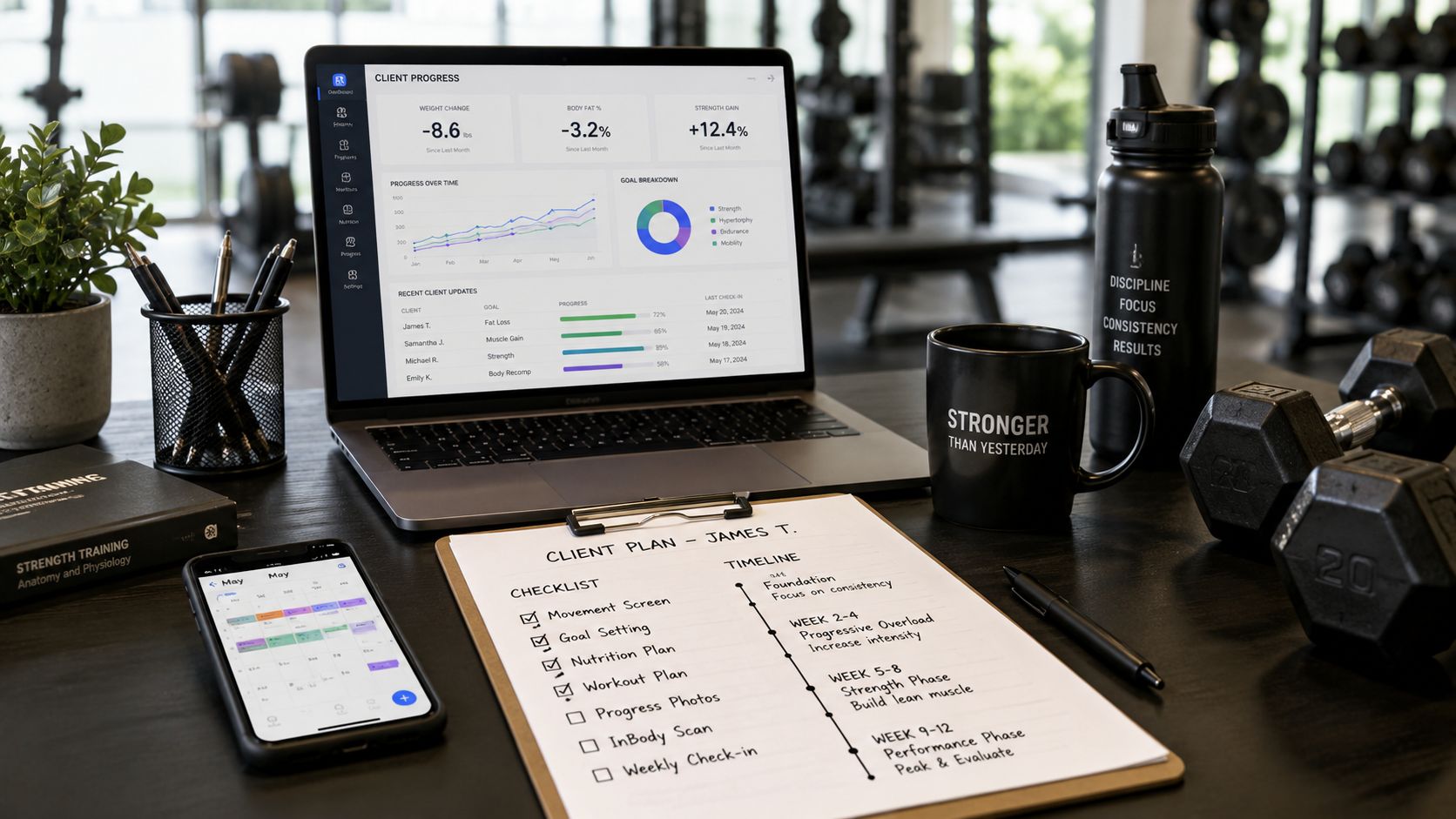
The right tool is essential. You need somewhere to house the group, deliver the sessions, track completion, send reminders, and show progress without bouncing between apps. FitCentral was built for that workflow by people who coach, and that matters when you’re the one carrying the admin load. David Spitdowski, FitCentral’s Co-Founder and a practicing personal trainer, brings that coach-first lens to the product, which is exactly why challenge delivery feels practical instead of bloated.
Use this 24-hour rollout plan:
Pick one challenge: Choose the format that solves the most obvious client problem.
Create one group: Name it clearly, set the start date, and add only the clients who fit.
Upload one asset: A demo video, a rules post, or a simple scoring explanation.
Write one message: Invite your first five clients with a direct deadline.
Set one reminder cadence: Daily for streaks, weekly for longer challenges.
As co-founder and practicing trainer David Spitdowski says, “The right tool makes it easy to do the right thing.”
Your task is simple. Pick one challenge from this list. Open your FitCentral account, create a new Group, and use the templates above to invite your first five clients. Your goal is to have it live by tomorrow.
If you want challenge delivery without the usual mess of spreadsheets, missed messages, and platforms that keep adding cost while fixing nothing, try FitCentral. It gives you groups, programming, habit tracking, leaderboards, client messaging, scheduling, and payments in one reliable coaching workflow, with transparent pricing at $29 per month for the coach plus $1 per month per active client.
See also

Ready to stop fighting your software?
FitCentral gives you everything you need to manage clients, deliver results, and grow your business. Sign up today.